Rubber Crumb
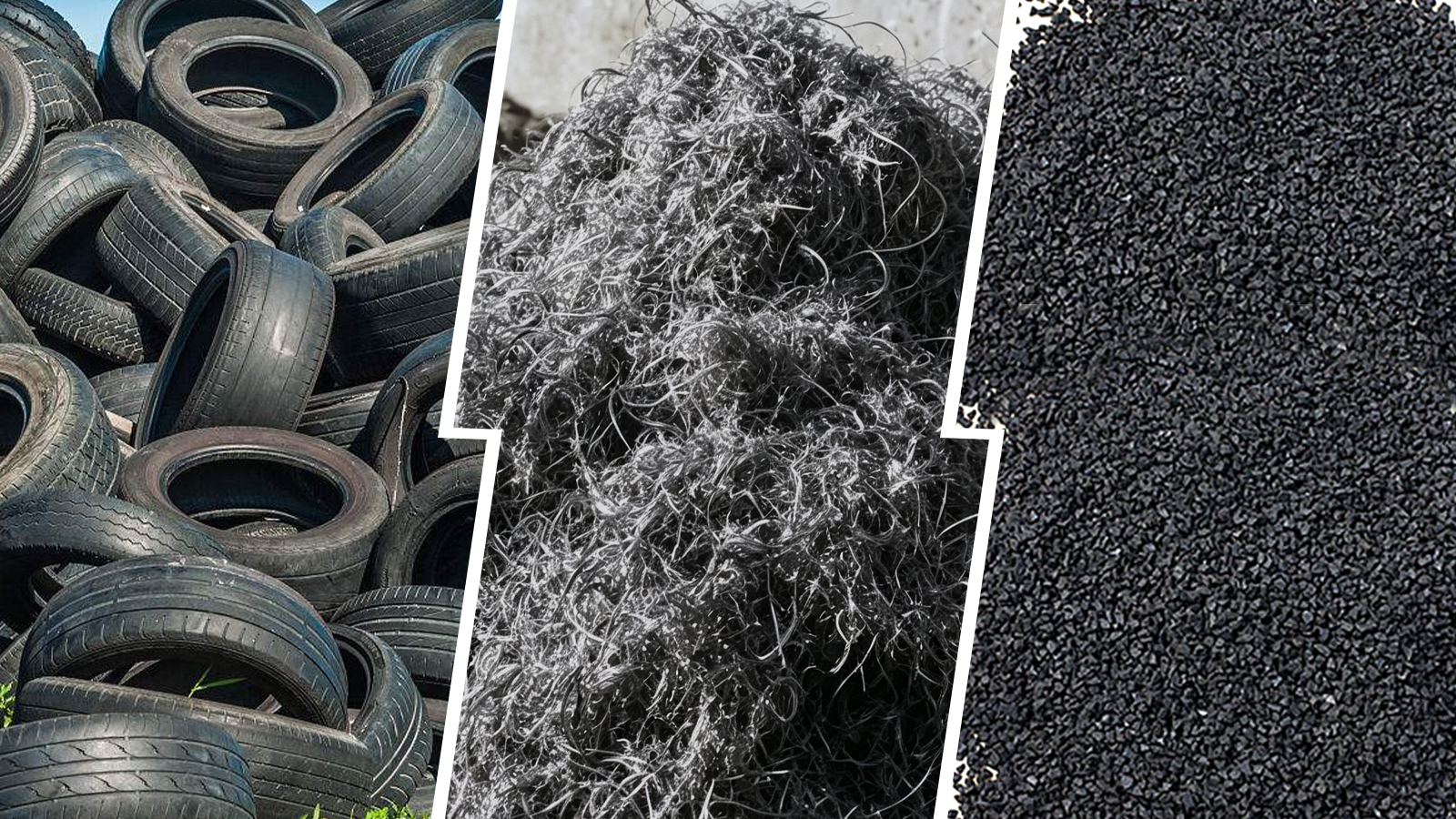
Fine rubber powder from shredded tires. Used in asphalt, playgrounds, and molded rubber products.

One-Stop Crushing & Separation Solution
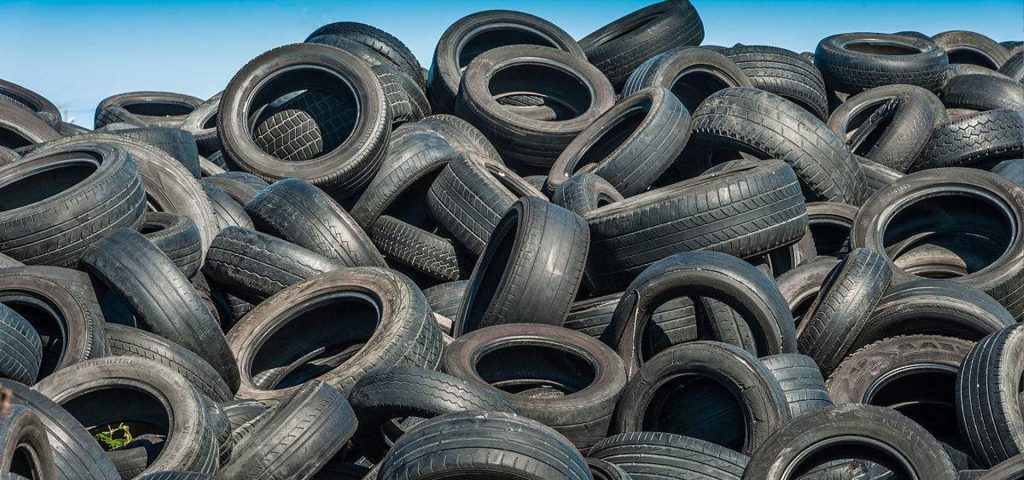
Waste tires are a severe environmental hazard, yet they contain valuable rubber, steel, and fiber. Advanced tire recycling eliminates stockpile fires and pollution while recovering high-value materials. Our turnkey solutions efficiently shred, separate, and process scrap tires into rubber crumb, steel wire, and nylon fiber—turning end-of-life tires into profitable circular resources.
Fine rubber powder from shredded tires. Used in asphalt, playgrounds, and molded rubber products.
Recovered bead and cord steel. Cleaned and baled for steel mills and foundries.
Tire cord fiber. Separated and baled for reuse in textiles or as RDF fuel.
Whole or shredded tires with high calorific value. Used as alternative fuel in cement kilns and power plants.
Confirm tire types, dimensions, contamination and the required downstream use.
Select a feeding arrangement around the material dimensions, bulk density and required operating duty.
Select the cutting system, drive and operating conditions around the material and processing target.
Prepare reduced tire material for the selected sizing, separation or downstream use.
Modular industrial shredding engineered around your material, duty cycle and required output.
View equipment ↗
One-Stop Crushing & Separation Solution
View project details ↗Confirm tire types, dimensions, contamination and the required downstream use.
Selection considers material form and composition, required capacity, contamination, operating hours and the downstream result. A material review is needed before confirming a configuration.
Define the size or fraction required by the next process. Cutter geometry, any sizing or separation stages, feeding and material behavior must be considered together.
Send representative material photos, dimensions, hourly capacity, required output, site constraints and destination country.

Include material photos, largest dimensions, hourly capacity, target output size and what happens after shredding.
Discuss this application →