Four inputs define the starting concept01Feedstock02Hourly capacity03Final fraction04Destination country
Complete-line engineering
Define the final fraction first. Build the line backwards.
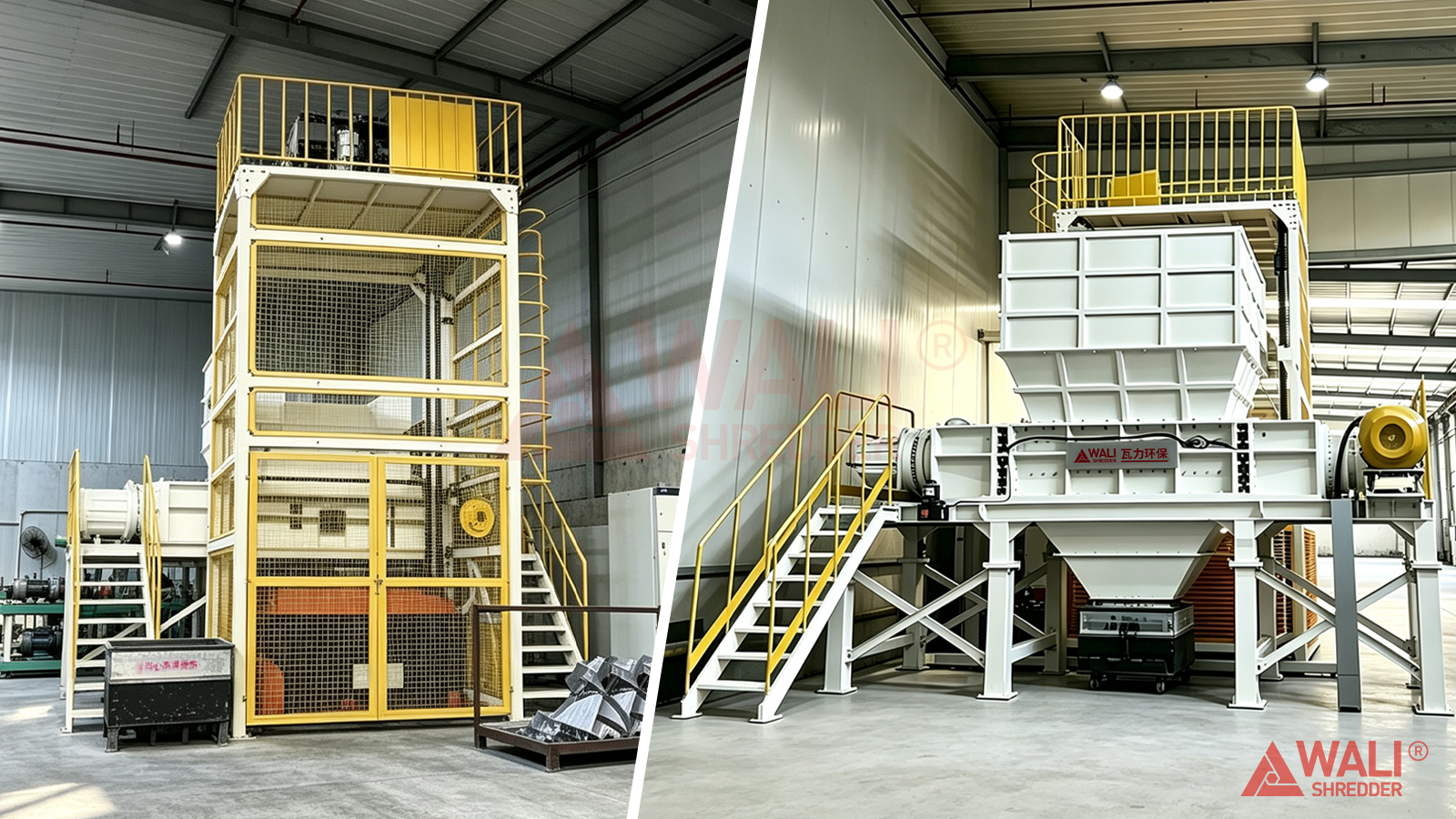
Defective cast aluminum parts—such as engine blocks, transmission housings, and wheels—represent a high-value resource. However, their large size and embedded ferrous or non-ferrous inserts make direct re-melting inefficient. Our specialized processing systems are engineered to crush these bulky castings, liberate embedded contaminants, and deliver clean, high-purity aluminum scrap. Through a continuous, automated route, we help you maximize recovery rates and minimize downstream melting costs.
Choose the required result
The final product changes the complete line.
01
High-Purity Cast Aluminum
After crushing and separation, the aluminum fraction is clean, uniform, and free of embedded contaminants. This high-purity scrap is ideal for direct re-melting, significantly reducing energy consumption and refining costs.
Aluminum02
Recovered Steel & Iron
Ferrous inserts such as steel bolts, bearings, and iron sleeves are efficiently extracted using strong magnetic separators. The recovered iron and steel are clean and ready for direct smelting.
Ferrous03
Non-Ferrous Inserts & Fines
Non-ferrous inserts like copper wires and brass fittings are separated using eddy current separators. The remaining dust and fines are collected for safe disposal or further processing.
Residue
Typical process architecture
One continuous route from bulky aluminum castings to separated output.
01
Heavy-Duty Feeding
Bulky cast aluminum parts are loaded into the system via grab cranes or heavy-duty chain conveyors. The feeding process is precisely controlled to ensure a steady and continuous flow into the shredder.
02
High-Torque Shredding
Equipped with robust, wear-resistant cutters, our twin-shaft shredders aggressively crush large castings into uniform, manageable pieces. This step effectively liberates embedded steel and copper inserts from the aluminum matrix.
03
Final Handling & Recovery
The separated high-purity aluminum fraction is transported to storage or baling stations. Clean ferrous and non-ferrous metals are stockpiled for recycling, while dust and fines are collected for safe disposal.
Integrated system scope
More than a collection of machines.
Mechanical
Feeding, shredding, screening, separation and discharge equipment.
Controls
Coordinated start-up, load monitoring, protection and interlocks.
Engineering
Process definition, equipment selection, layout and service access.
Support
Documentation, commissioning guidance, training and spare parts scope.
Define the project brief
Targets that guide the engineering.
Capacity, final fractions and supply scope are confirmed for the actual feedstock and downstream process.
Confirm casting dimensions, alloy, attached components and the receiving recovery process.
How is the equipment or process selected?
Selection considers material form and composition, required capacity, contamination, operating hours and the downstream result. A material review is needed before confirming a configuration.
Can the final output be specified?
Define the size or fraction required by the next process. Cutter geometry, any sizing or separation stages, feeding and material behavior must be considered together.
What information should I send first?
Send representative material photos, dimensions, hourly capacity, required output, site constraints and destination country.
Build the right process
Tell us your material, capacity and required final product.
Our engineers will use the project brief to propose a practical line configuration and the next technical steps.
We use necessary technologies to operate forms and remember your privacy choice. Optional analytics and marketing technologies are used only if you accept them.