Wheat Straw
Collected and baled wheat straw. Processed into biomass pellets or briquettes for clean energy.

One-Stop Crushing & Separation Solution
Biomass energy utilization is a key sector in renewable resource development. Through systematic collection, crushing, and efficient conversion, biomass materials such as agricultural and forestry waste (e.g., straw, wood chips, fruit shells) and energy crops can be transformed into biomass pellet fuel, biogas, or combined heat and power (CHP) energy.
Collected and baled wheat straw. Processed into biomass pellets or briquettes for clean energy.
Corn stalks and leaves. Shredded and densified into RDF or biomass fuel for power generation
Rice straw from paddy fields. Converted into animal feed, organic fertilizer, or biomass fuel.
Shredded, dried, and pelletized into biomass fuel (RDF/SRF) for industrial boilers and power plants.
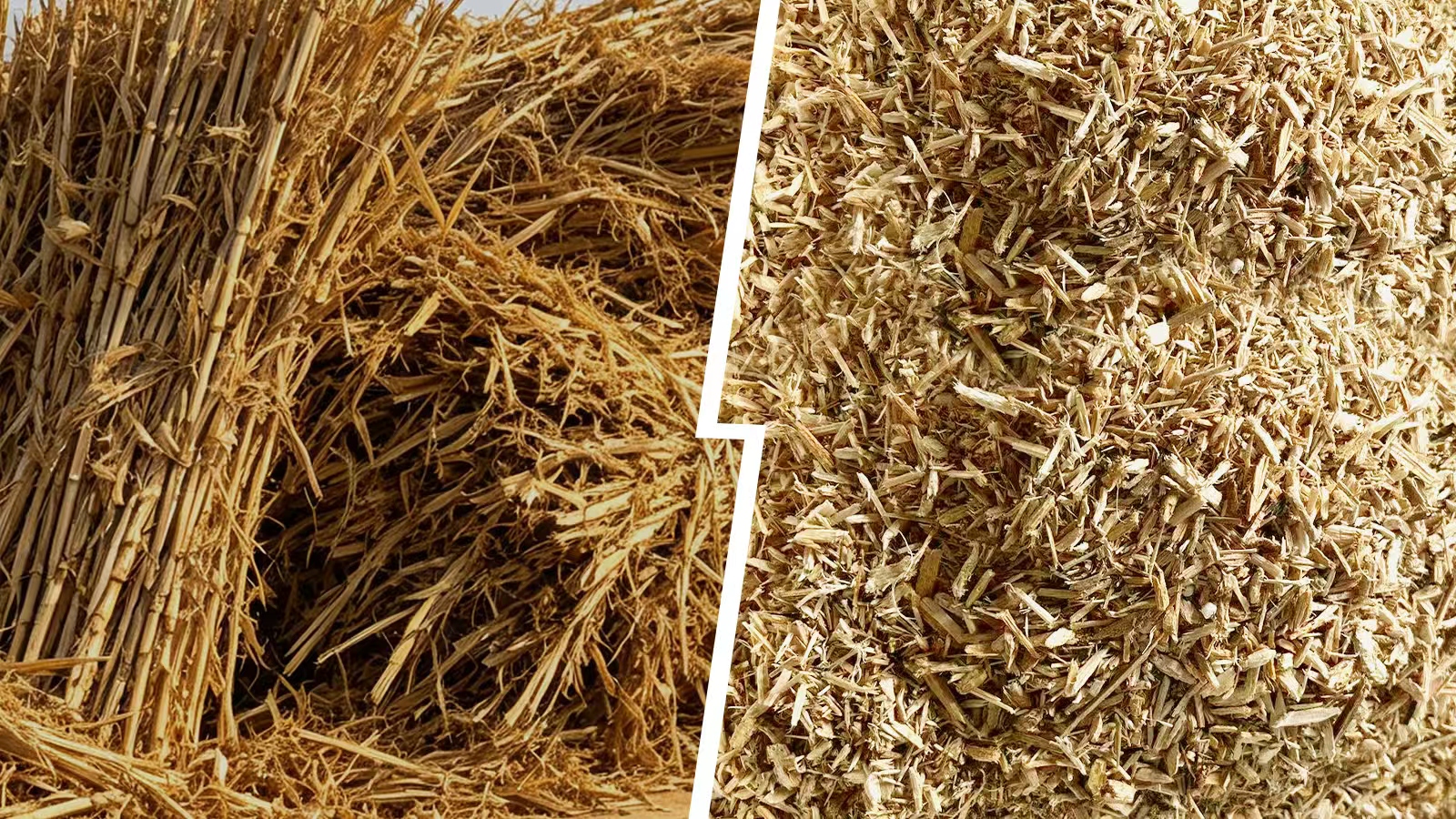
Confirm the straw or biomass form, moisture, contaminants and downstream fuel or processing requirements.
Select a feeding arrangement around the material dimensions, bulk density and required operating duty.
Select the cutting system, drive and operating conditions around the material and processing target.
Prepare the shredded material for the selected drying, fuel preparation or other downstream process.
Modular industrial shredding engineered around your material, duty cycle and required output.
View equipment ↗
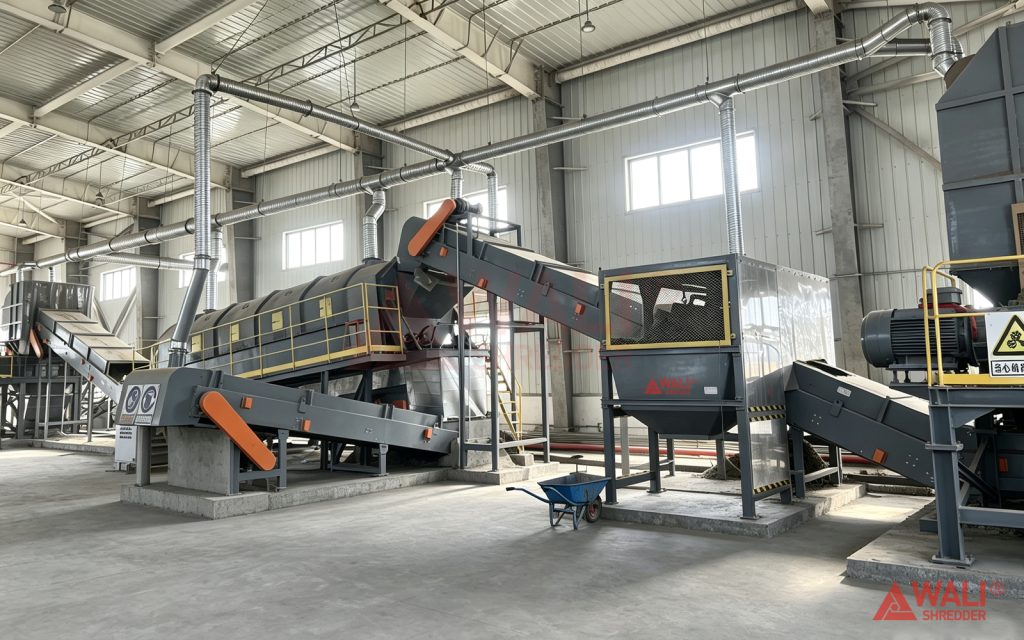
Project Challenge Biomass waste (wood, garden trimmings, agricultural residues, organic matter) is bulky, scattered, and high in moisture. Open burning and landfilling cause pollution and waste a valuable energy resource—efficient collection and conversion remain…
View project details ↗Confirm the straw or biomass form, moisture, contaminants and downstream fuel or processing requirements.
Selection considers material form and composition, required capacity, contamination, operating hours and the downstream result. A material review is needed before confirming a configuration.
Define the size or fraction required by the next process. Cutter geometry, any sizing or separation stages, feeding and material behavior must be considered together.
Send representative material photos, dimensions, hourly capacity, required output, site constraints and destination country.

Include material photos, largest dimensions, hourly capacity, target output size and what happens after shredding.
Discuss this application →