1. Expanding Our Global Presence Through Advanced Shredding Technology
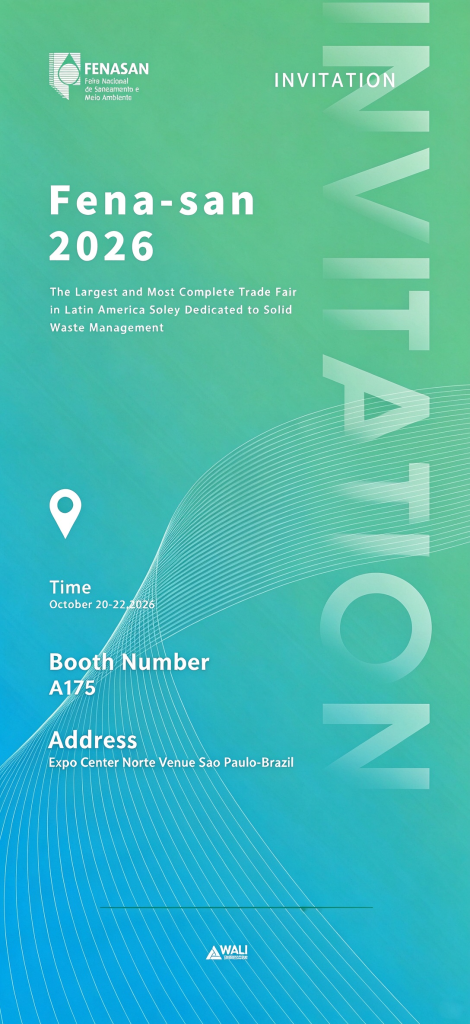
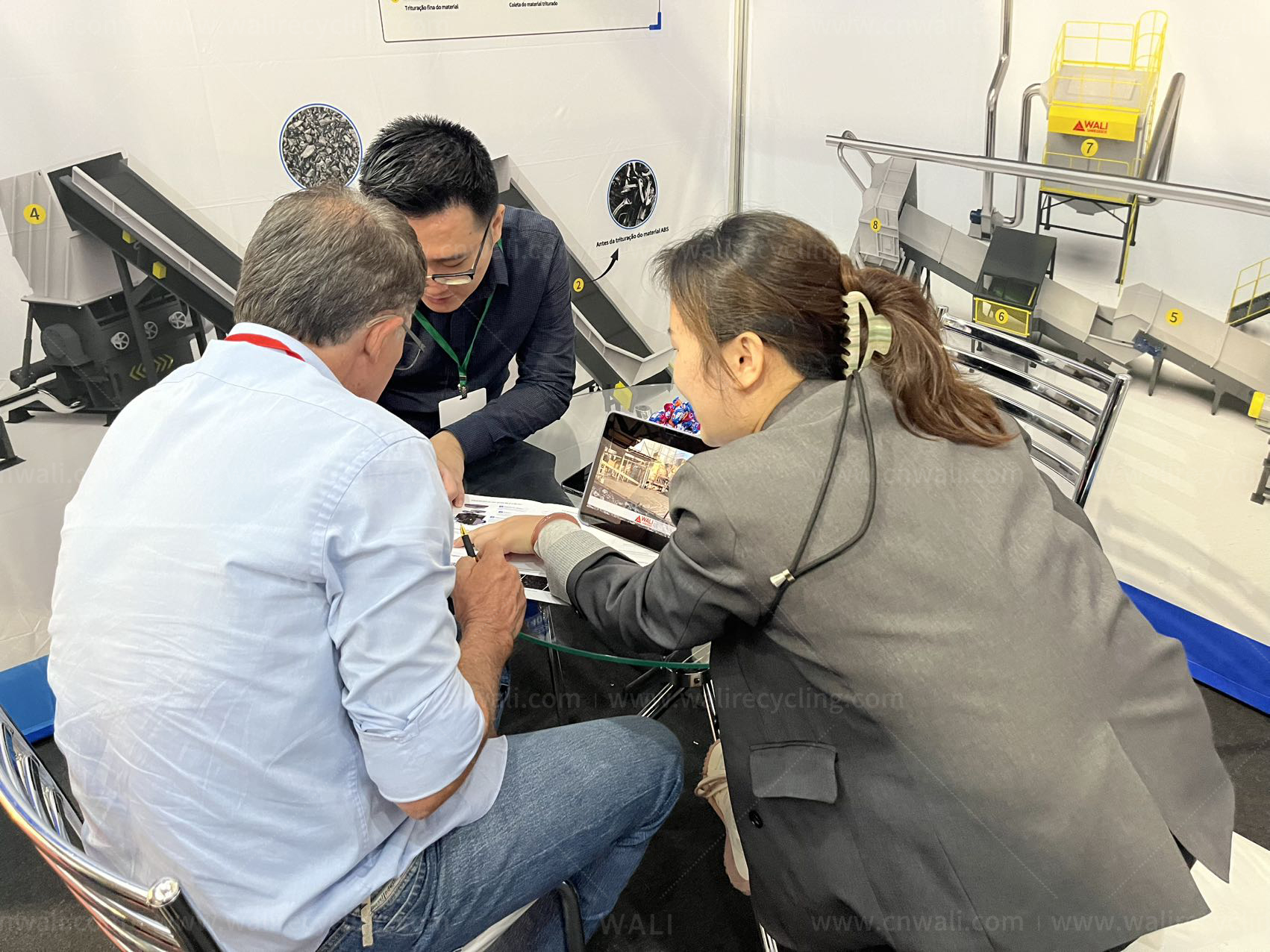
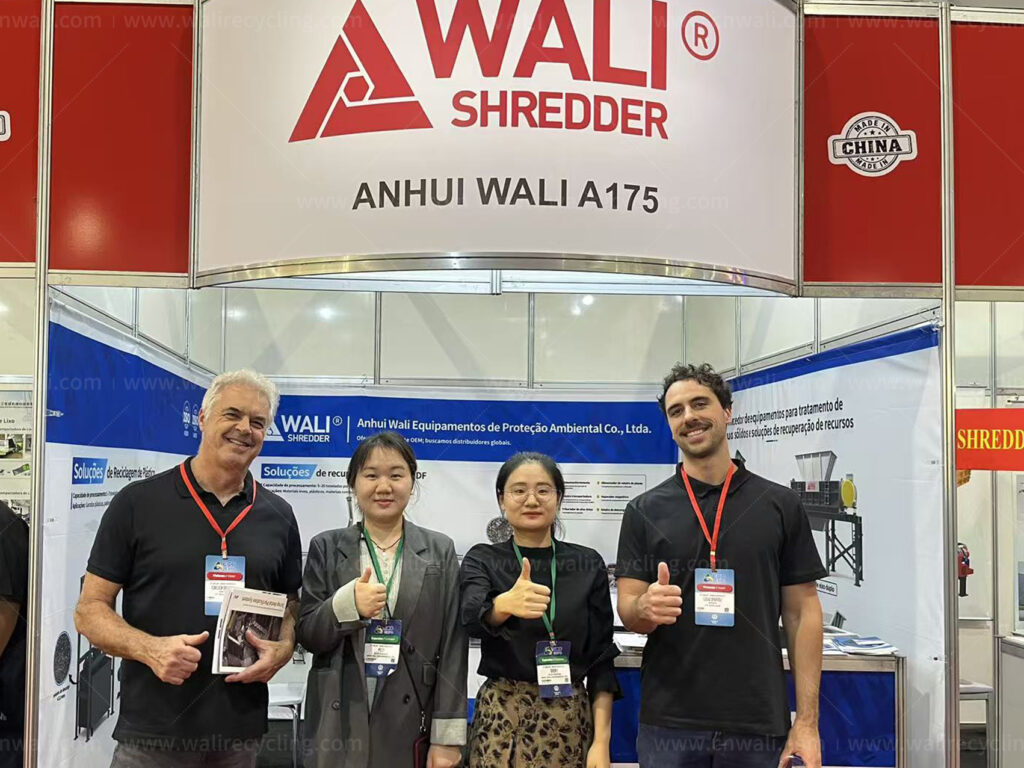
Recently, the WALI Shredder team traveled to Brazil to participate in a three-day industry exhibition, connecting with customers and business partners from different regions to explore new opportunities in solid waste treatment, plastic recycling, and resource recovery.
As a manufacturer specializing in shredding equipment and integrated waste recycling systems, WALI is committed to providing reliable machinery, flexible process configurations, and customized turnkey recycling solutions for customers worldwide.
Our visit to Brazil marks another important step in WALI’s international expansion and our efforts to better understand the needs of the South American market. Through face-to-face communication, we aim to gain deeper insights into local market demands, showcase the capabilities of Chinese manufacturing in waste processing technology, and build long-term, stable partnerships with international customers.
2. Why Brazil? Exploring New Opportunities in the South American Market
Brazil is one of South America’s major industrial and resource recovery markets, offering considerable potential in plastic recycling, industrial waste treatment, and waste-to-resource applications.
According to data released by the Brazilian Association of the Plastics Industry (ABIPLAST) in 2026, Brazil generated approximately 5 million tonnes of post-consumer plastic waste in 2025, of which around 1.27 million tonnes were processed by the plastics recycling industry. During the same period, post-consumer recycled plastic resin production reached approximately 1.06 million tonnes. These figures demonstrate the existing foundation of Brazil’s recycling industry, as well as opportunities to further improve processing capacity, sorting efficiency, and resource recovery.
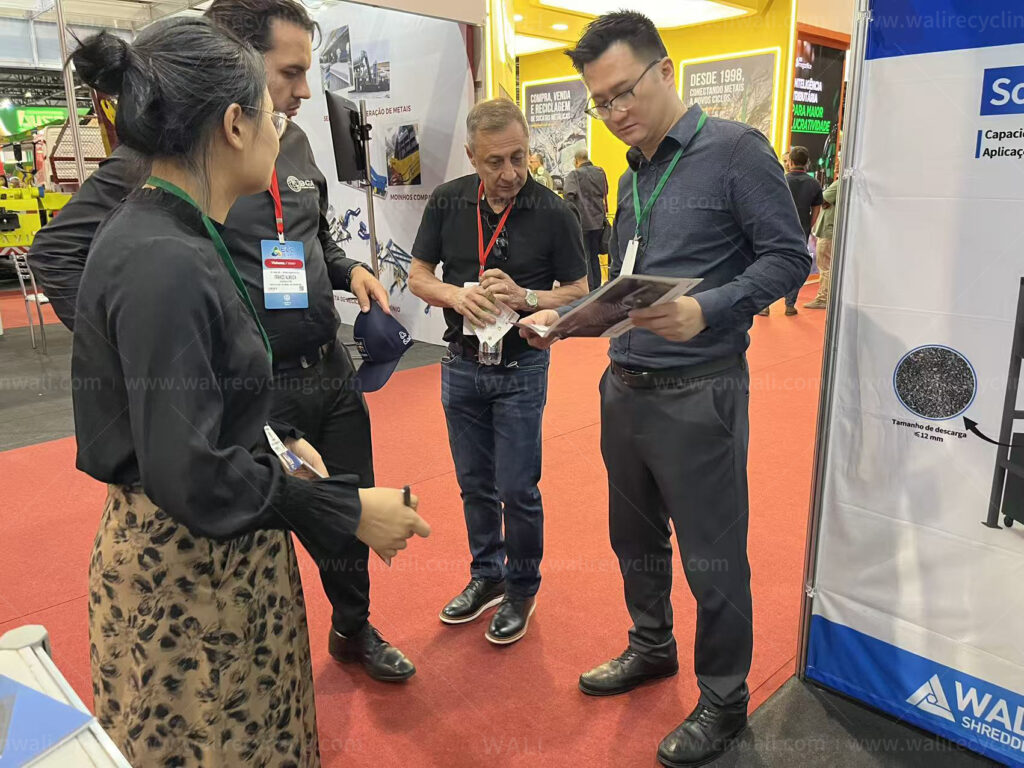
For recycling businesses, key challenges include improving material processing efficiency, reducing waste volume, optimizing production workflows, and preparing materials for subsequent recycling or fuel production.
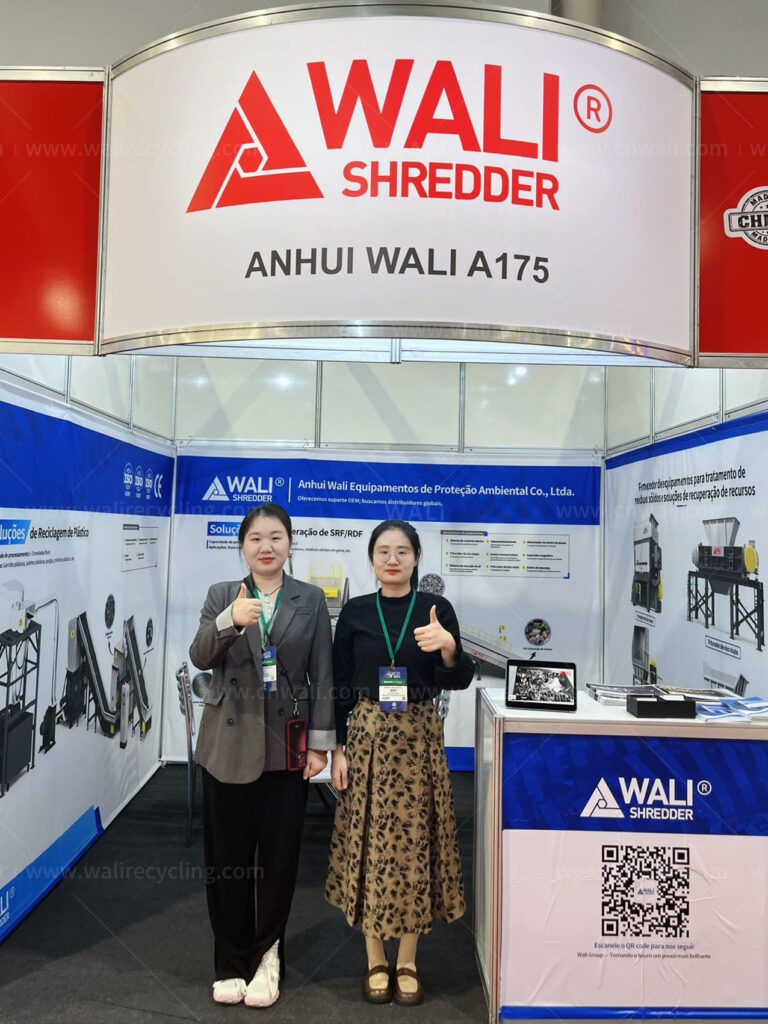
These needs align closely Work With WALI’s core expertise: shredding and volume reduction.
Our decision to participate in the Brazilian exhibition goes beyond introducing our established shredding equipment and recycling solutions to local customers. We also want to gain a deeper understanding of local material characteristics, operating conditions, and project requirements, enabling us to recommend more suitable equipment and process configurations for different applications and production scales.
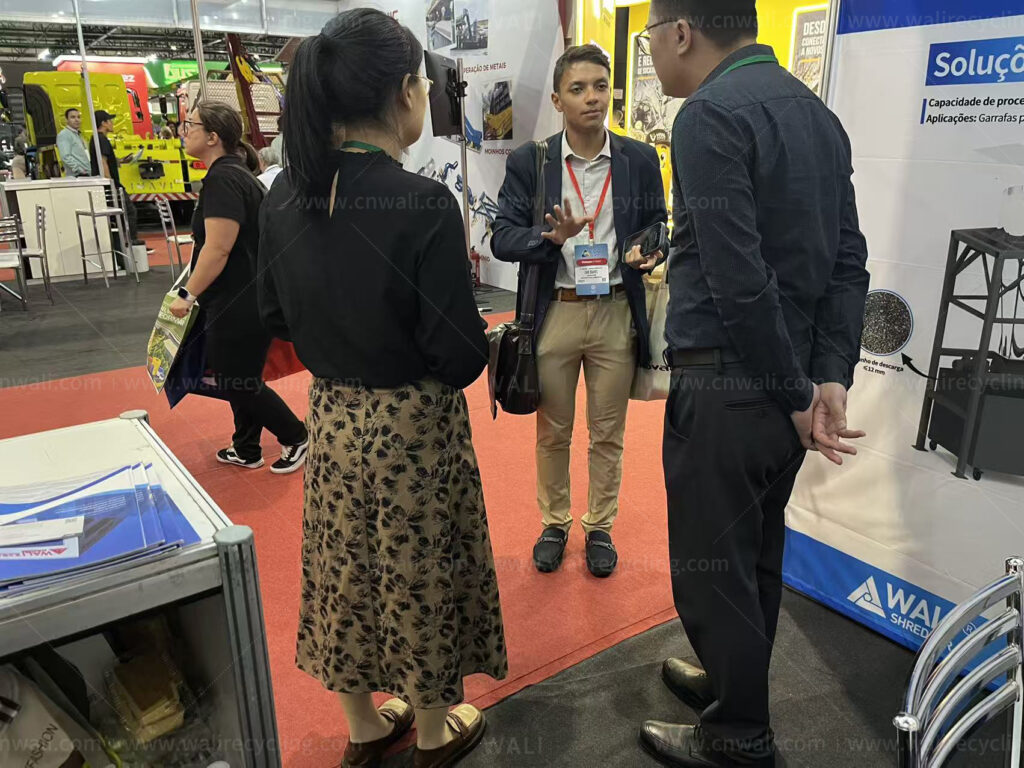
By entering local markets, understanding customer needs, and applying the right technology to real-world challenges, WALI continues to advance its international business strategy.
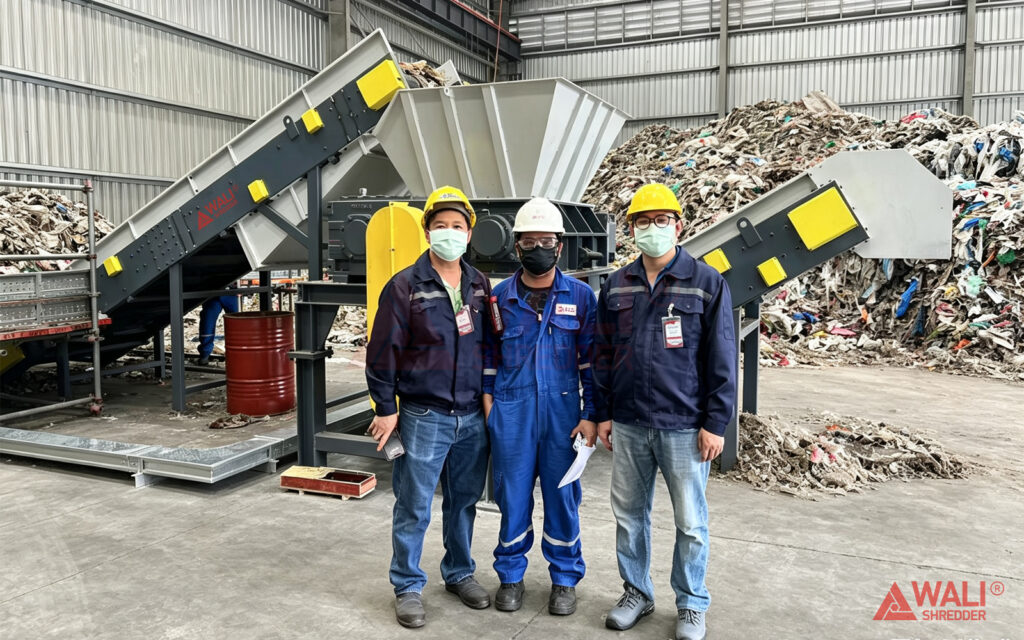
1. Plastic Recycling Lines
Plastic recycling lines are the starting point of the recycling process. From plastic shredding and washing to pelletizing, WALI provides integrated solutions rather than simply assembling individual machines.
As quality expectations for recycled plastics evolve in Brazil, driven in part by regulatory developments, effective upstream size reduction and well-designed processing stages are important for stable downstream washing and extrusion operations.
The core objective is straightforward: to help ensure that materials are properly prepared for subsequent washing and extrusion, reducing processing difficulties and supporting consistent recycled plastic quality.
2. SRF/RDF Preparation Systems
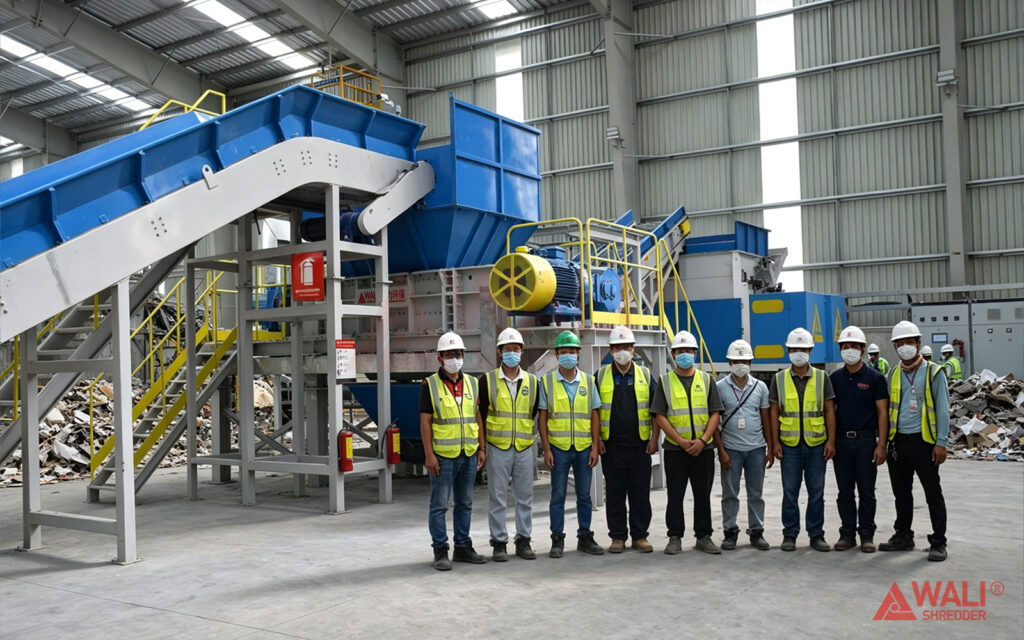
Municipal solid waste and industrial waste streams in Brazil can contain substantial amounts of combustible materials that may otherwise be landfilled or processed inefficiently.
RDF (Refuse-Derived Fuel) and SRF (Solid Recovered Fuel) offer an alternative approach to resource recovery by converting suitable combustible waste into fuel feedstock with controlled specifications for handling, transportation, storage, and downstream utilization.
Depending on the incoming materials and project requirements, a complete preparation system can incorporate shredding, screening, air separation, and densification. These processes help remove unsuitable fractions and prepare the combustible material to meet the required fuel specifications.
For Brazilian customers exploring opportunities in cement kiln co-processing or waste-to-energy applications, these systems may offer a practical route to recovering energy from suitable waste streams.
The final fuel quality, calorific value, storage stability, and achievable processing results depend on the incoming waste composition, moisture content, system configuration, and applicable fuel specifications.
3. Single-Shaft Shredders
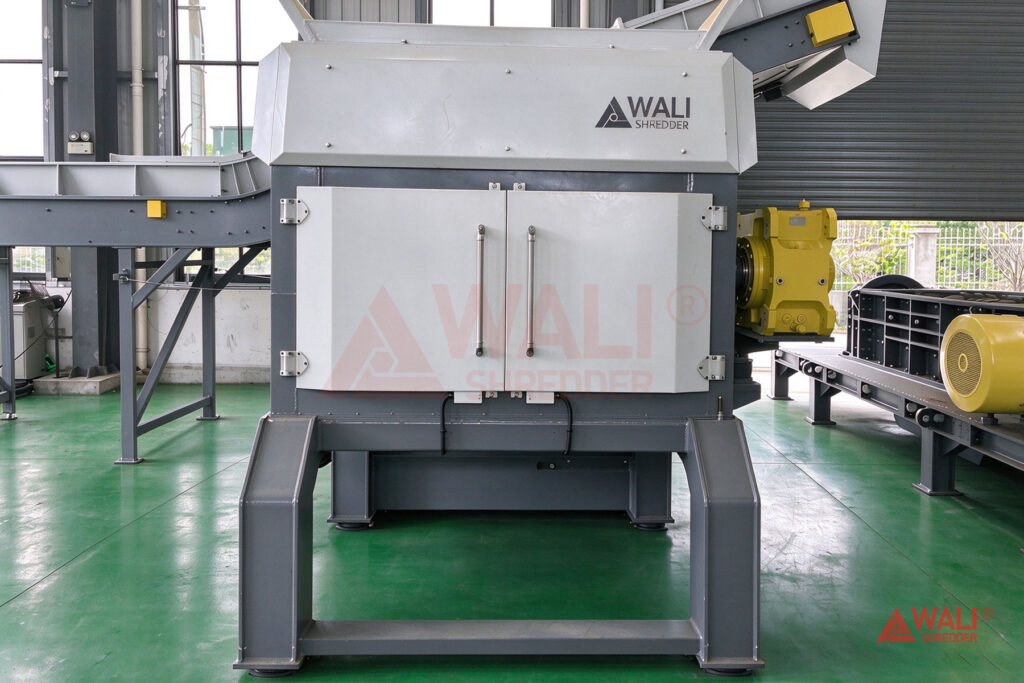
WALI single-shaft shredders can be equipped with a hydraulic ram feeding system that provides controlled and adjustable material feeding.
By selecting suitable cutting tools, screens, and machine configurations, the equipment can process different materials according to specific output size and throughput requirements.
The resulting shredded material can then be prepared for subsequent sorting, conveying, or further processing.
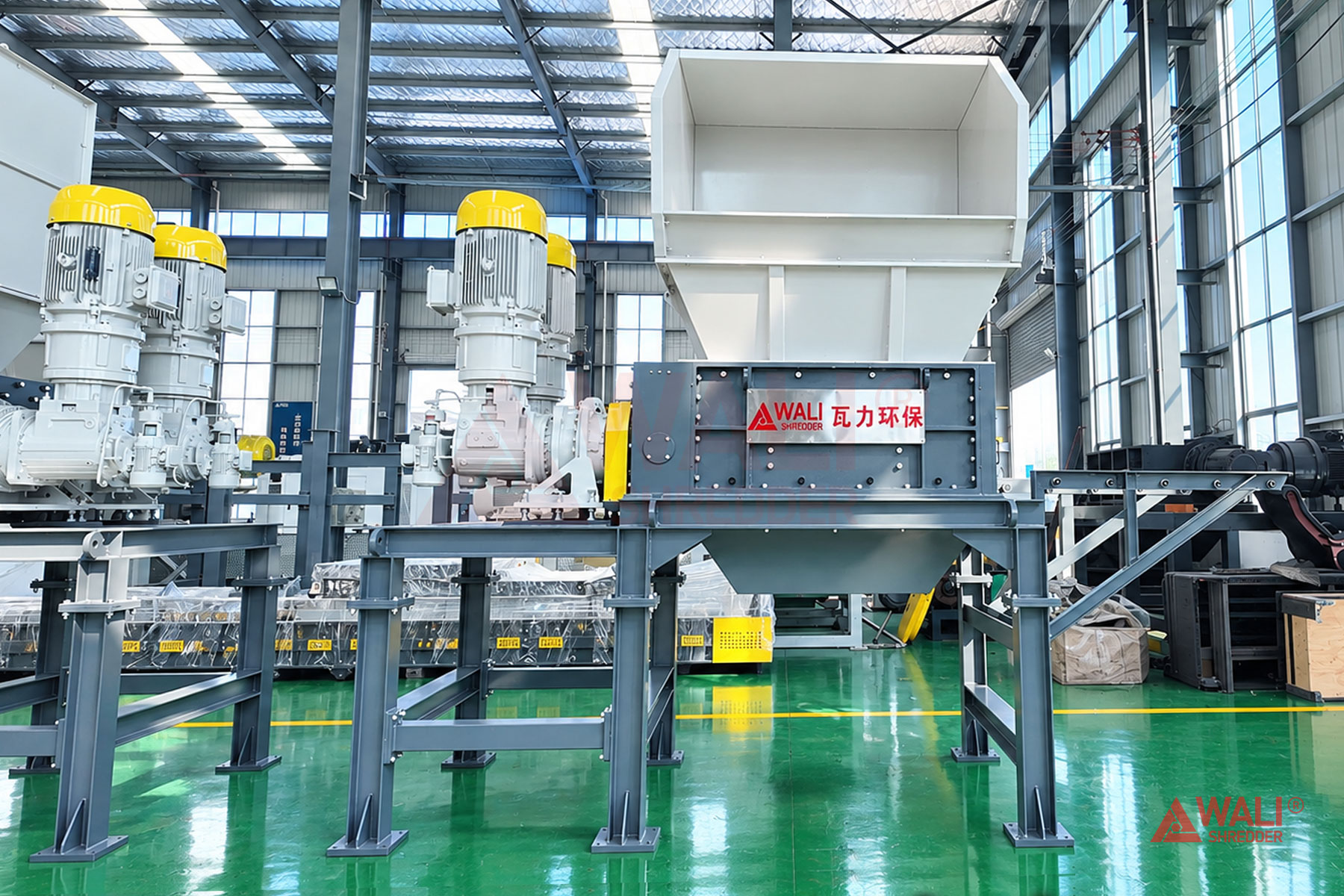
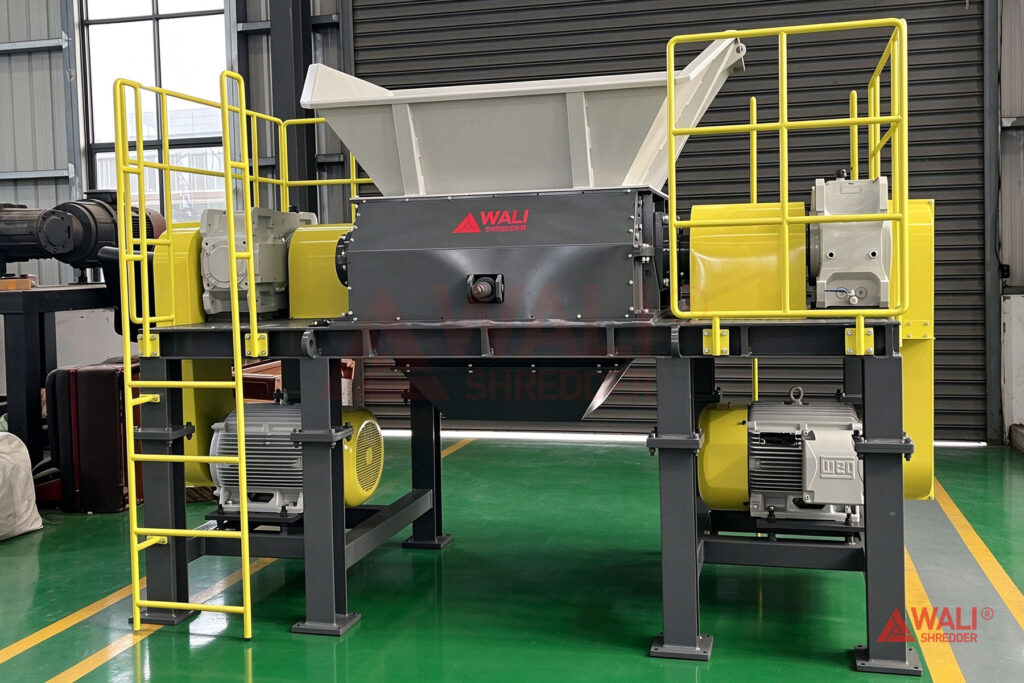
4. Double-Shaft Shredders
When materials become thicker, harder, or more difficult to process, a double-shaft shredder can provide an effective alternative to other shredding configurations.
Featuring two counter-rotating shafts, the machine uses shearing and tearing forces to reduce bulky materials into smaller pieces. Its low-speed, high-torque operating principle makes it suitable for a range of demanding applications, including metal components, waste tires, appliance housings, and large plastic parts.
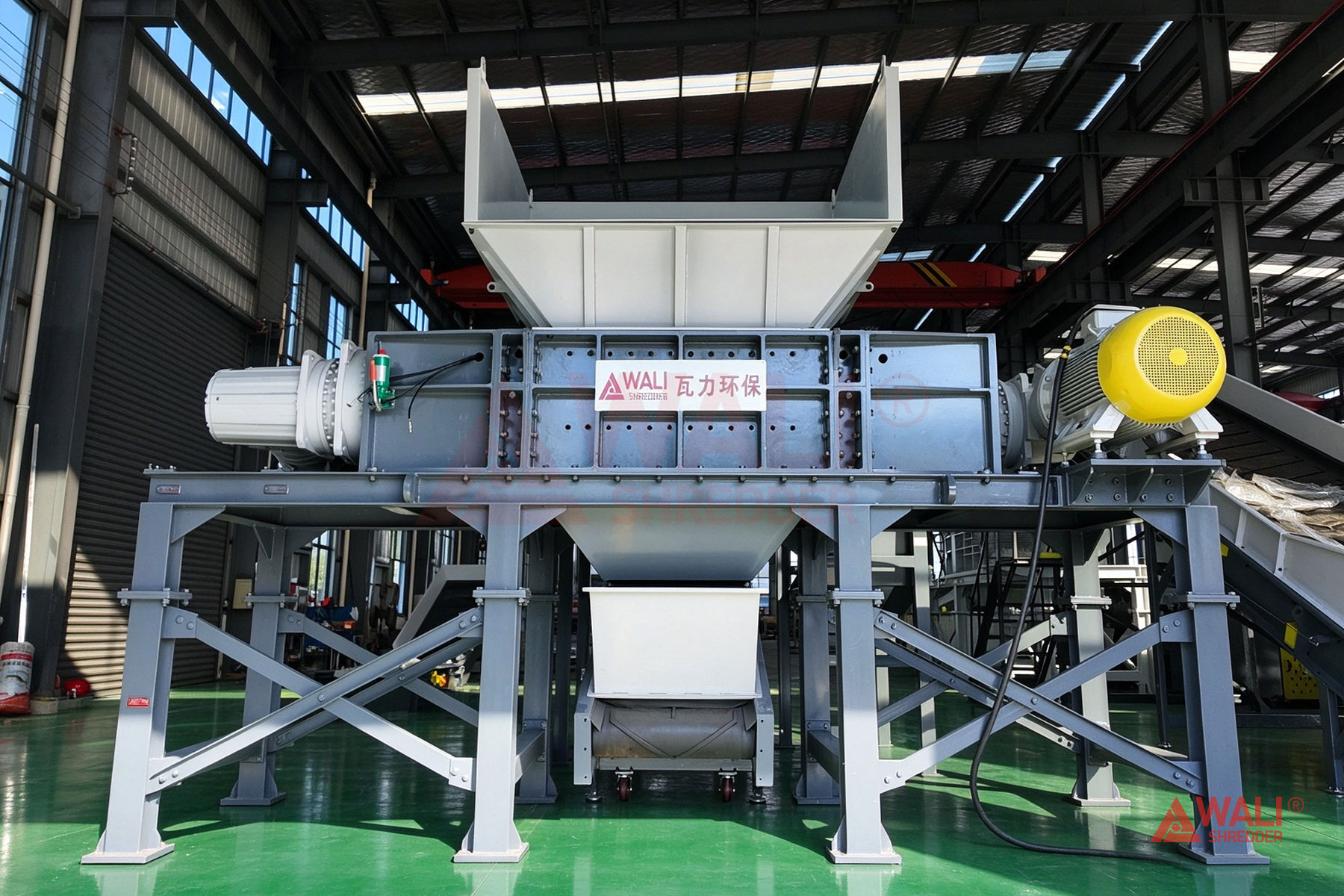
Equipment selection should be based on the material’s properties, dimensions, and required processing capacity.
5. Four-Shaft Shredders
WALI four-shaft shredders feature four cutting shafts arranged in a specialized configuration. The upper shafts assist with material gripping and preliminary shredding, while the lower shafts perform further size reduction.
Depending on the machine design and application, this configuration can reduce the need for conventional hydraulic pushing mechanisms and provide effective material engagement when processing challenging waste streams.
Suitable applications may include rigid plastics, metal drums, waste tires, and automotive body components. Screen selection allows the output size to be adjusted according to the processing requirements.
6. Double-Roller Shredders
Double-roller shredders are designed for applications involving flexible, tough, and fibrous materials that can be difficult to process using conventional shredding equipment.
Materials such as plastic film, FIBCs (bulk bags), woven polypropylene bags, and waste textiles can wrap around conventional shredder shafts, potentially affecting operating stability.
The double-roller configuration uses two counter-rotating cutting rollers to tear and reduce these materials. Depending on the machine design, it can offer efficient processing with relatively low operating noise.
A PLC control system with automatic overload reversal can also be incorporated to help protect the equipment and support stable operation.
4. The Exhibition Continues: WALI Looks Forward to Connecting with You
Our three-day exhibition in Brazil is still underway.
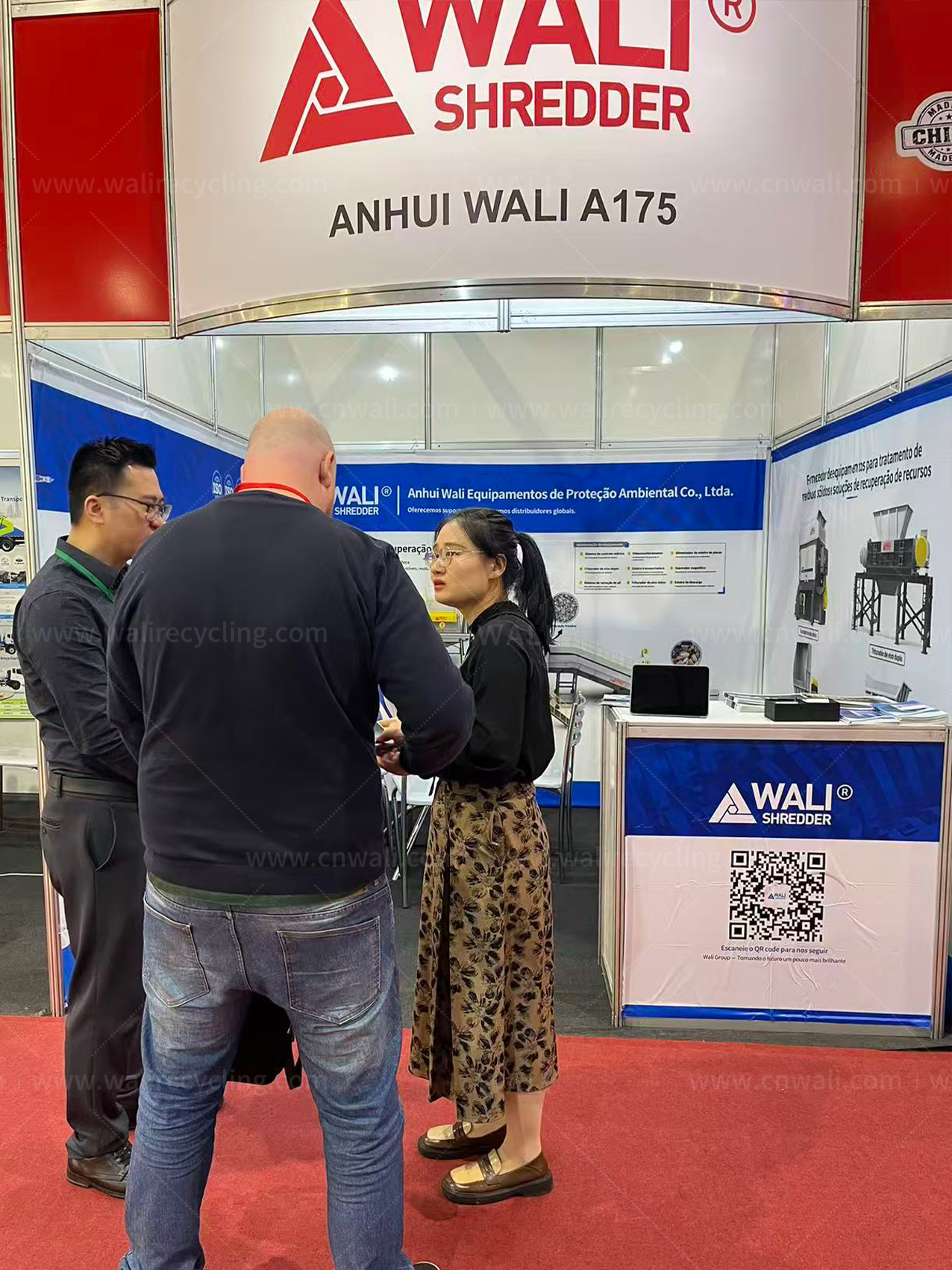
This event represents an important opportunity for WALI to expand its international presence, showcase our diversified product portfolio, and exchange industry knowledge with customers and partners.
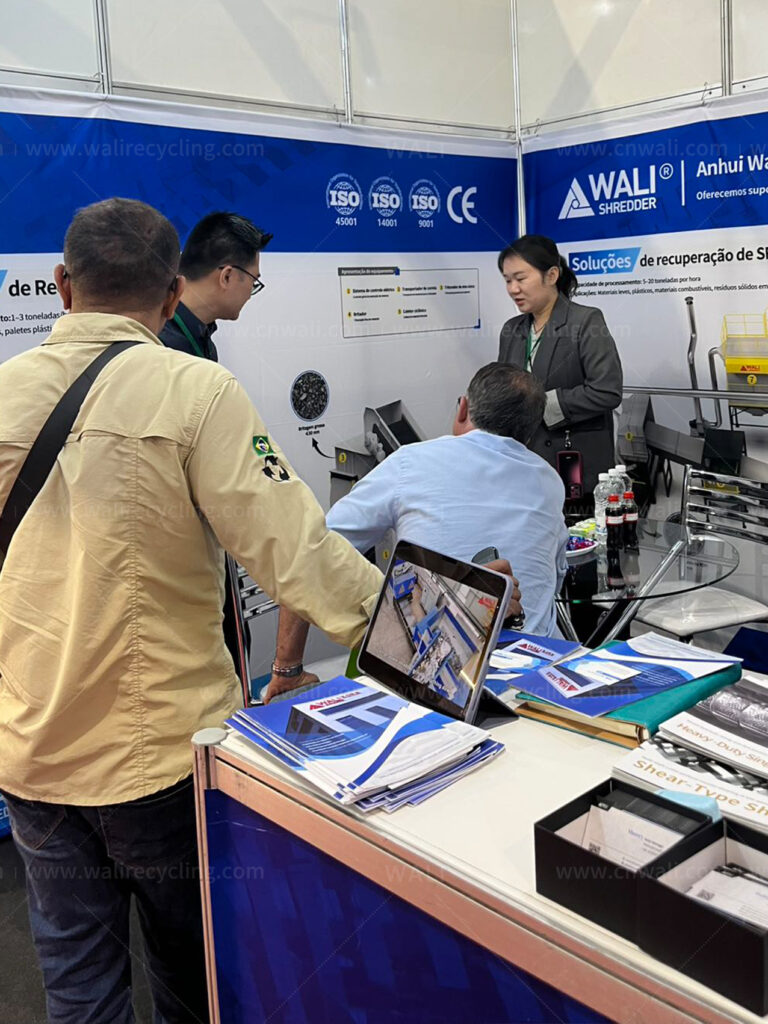
Looking ahead, we will continue to focus on shredding equipment and waste resource recovery solutions, delivering professional technical expertise, flexible system configurations, and closer customer collaboration to support the development of the global circular economy.
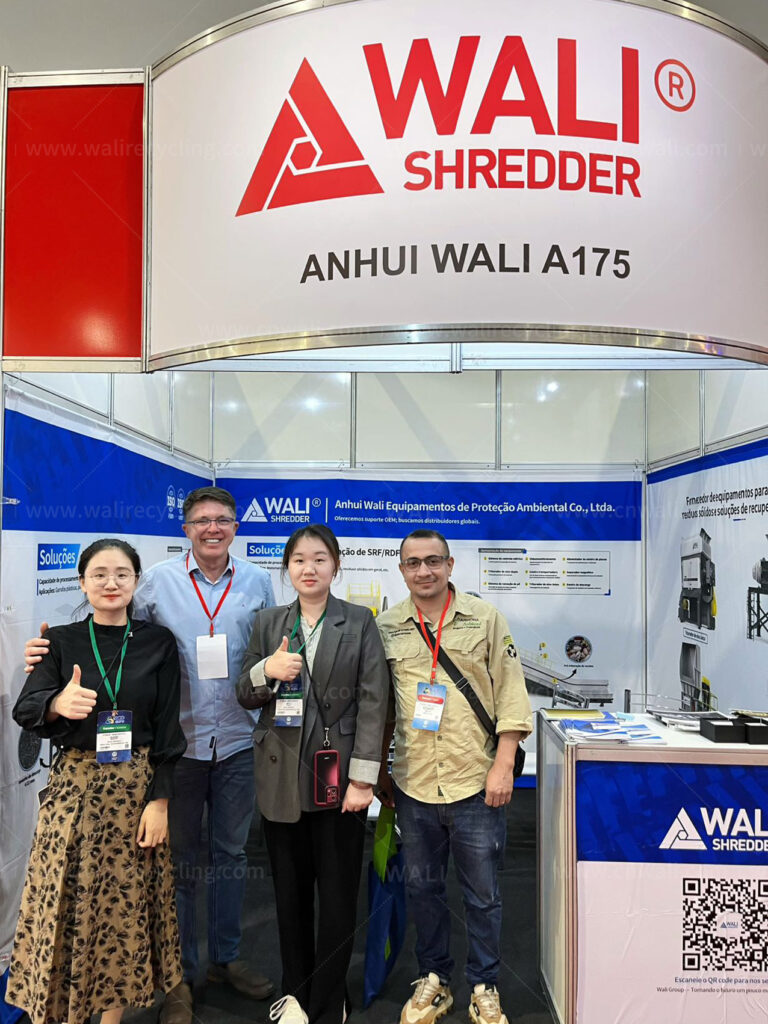
Over the next two days, we will share more product information, application insights, and updates from the exhibition. Stay tuned for more news from WALI in Brazil.
TIME: October 20–22, 2026
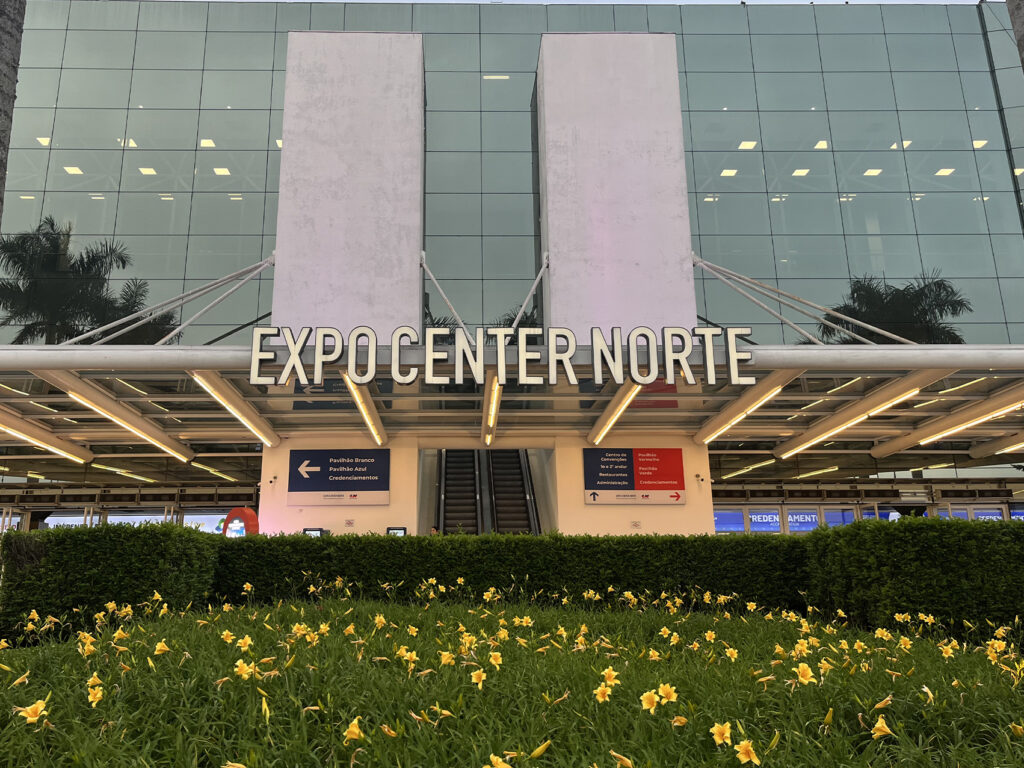
ADDRESS: Brazil Expo Center Norte, São Paulo
BOOTH: A175
See you there!