
Project challenges
- Municipal solid waste is a complex mixture of plastics, textiles, paper, food waste, metals and glass.
- After shredding, nails and plastic bags can remain entangled, while broken glass and paper fragments are mixed together.
- The customer could not produce solid recovered fuel (SRF) that met the required specification. Pretreated waste therefore had to be sent to landfill or off-site incineration, and high disposal costs left little margin.
Process configuration
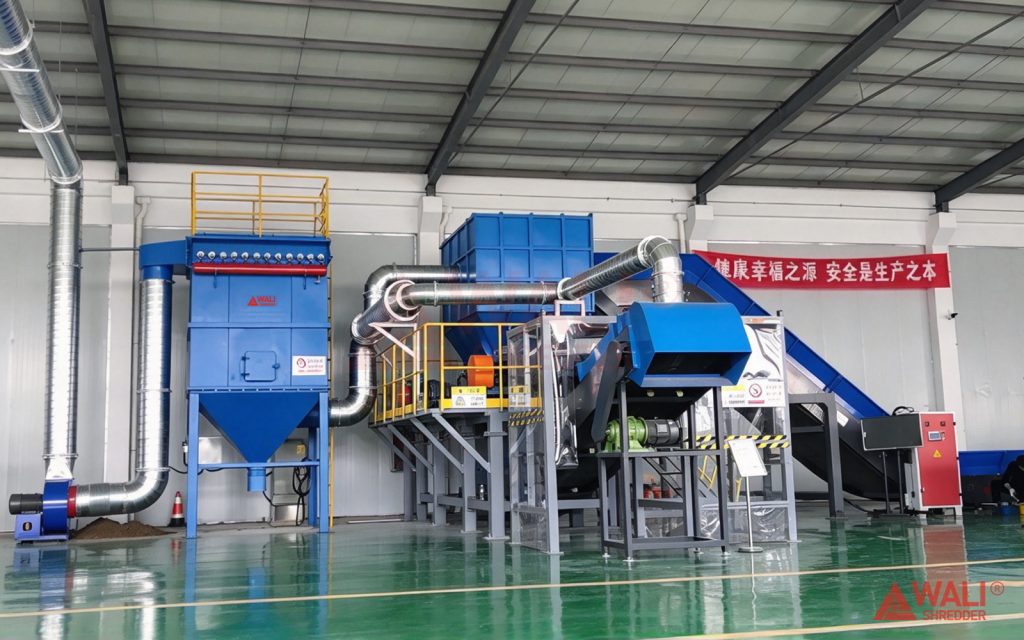
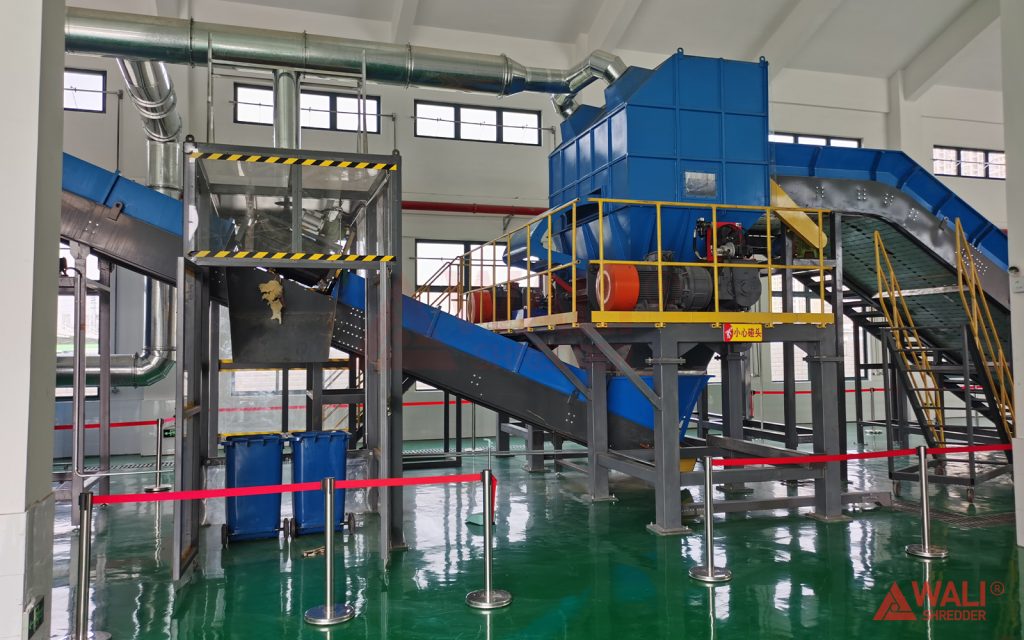
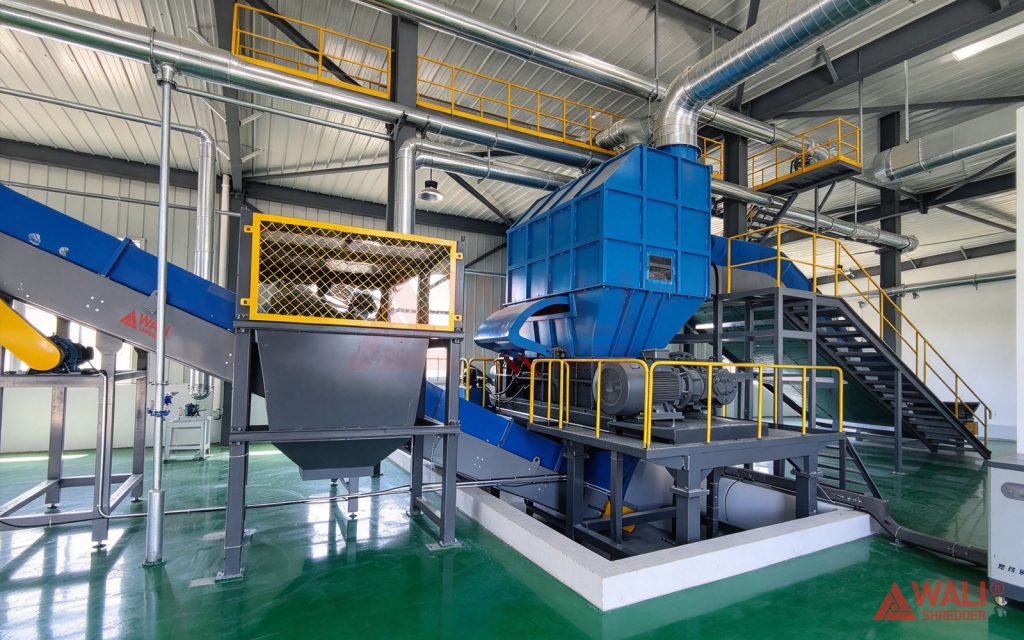
The WALI municipal solid waste recycling system begins with primary shredding. The shredded material then passes through a star screen to separate the following fractions:
Oversize material, including plastic bottles, textiles and wood;
Undersize material, including organic matter, broken glass and small plastic particles.
Output fractions
- Recoverable metals
- Heavy material fraction, including plastic bottles, textiles and wood
- Light material fraction, including plastics and fibrous waste
Customer outcomes
- Support material recovery and reuse.
- Send non-biodegradable residual waste to landfill for disposal.
- Provide feedstock for solid recovered fuel (SRF) production to support resource recovery.