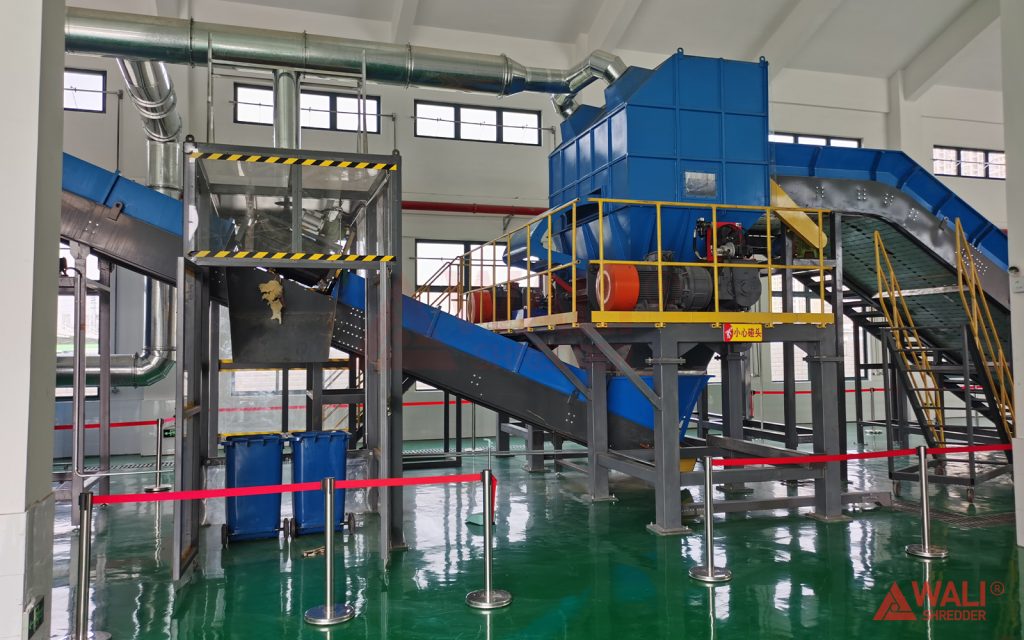
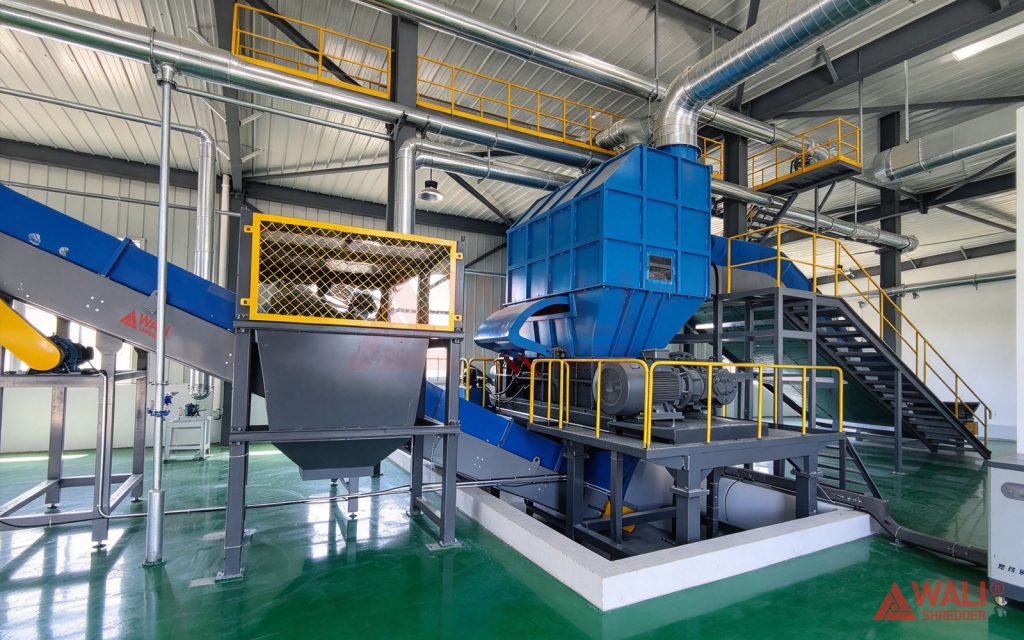
Two dedicated heavy-duty rotor configurations are available. Each rotor is selected according to the material characteristics, required operating speed, and target output size.
Built around the material and the required result.
Application-specific configurationServiceable cutting systemControlled output sizingContinuous-duty construction
Engineered around the material
Industrial equipment configured around demanding material characteristics, high duty cycles and complete recycling processes. Tell us the feedstock, hourly capacity and target output. WALI engineers will configure the cutting system, drivetrain and downstream process for the operating conditions.
DX-N / DX-F cutting systems
Two models. Two dedicated rotor systems.
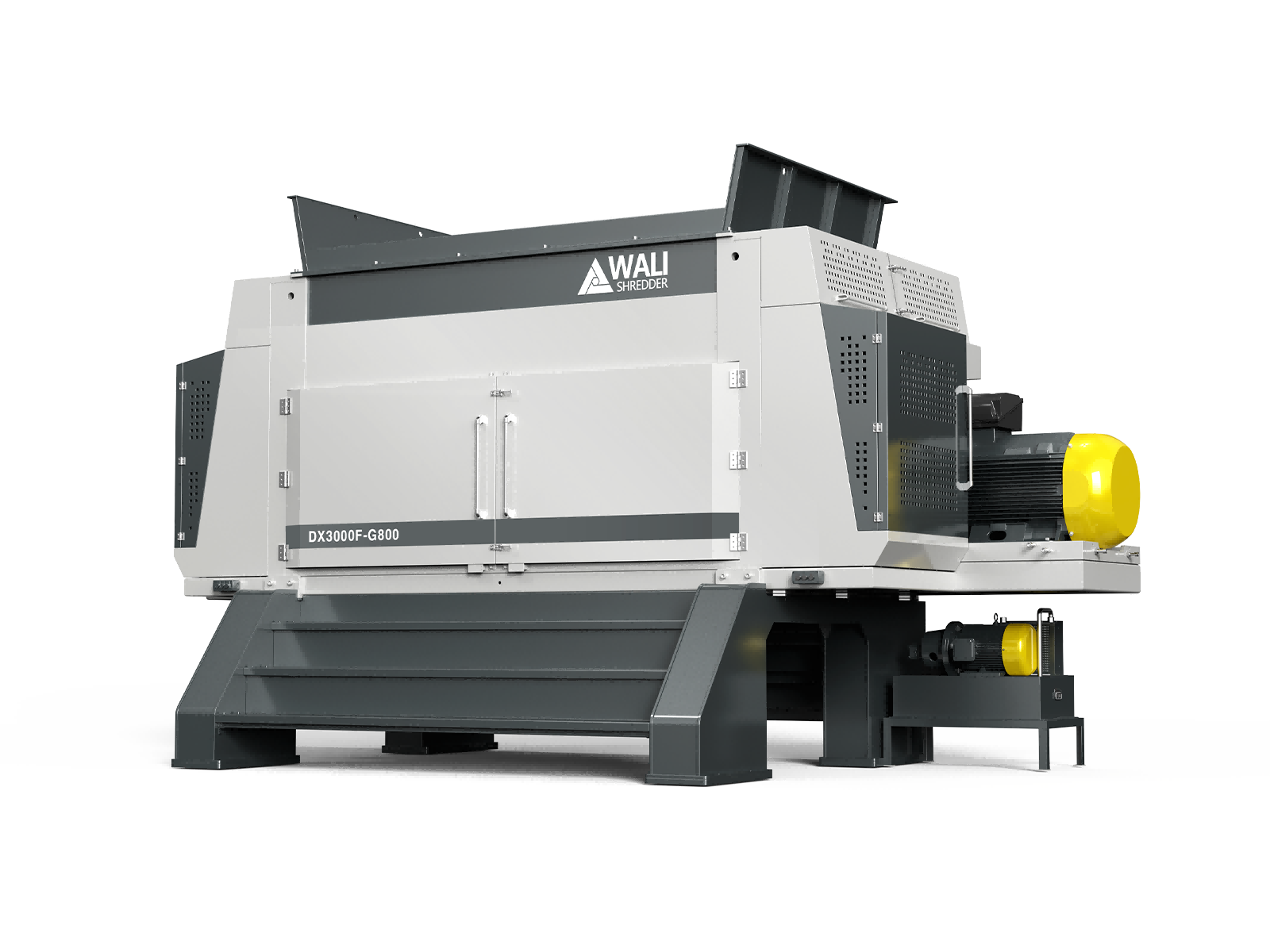
The heavy-duty DX family is available with two complete rotor systems. Knife structure and operating speed are selected around the material, required capacity and target discharge size.
DX-N
01 · SQUARE-KNIFE ROTOR
DX-N Series
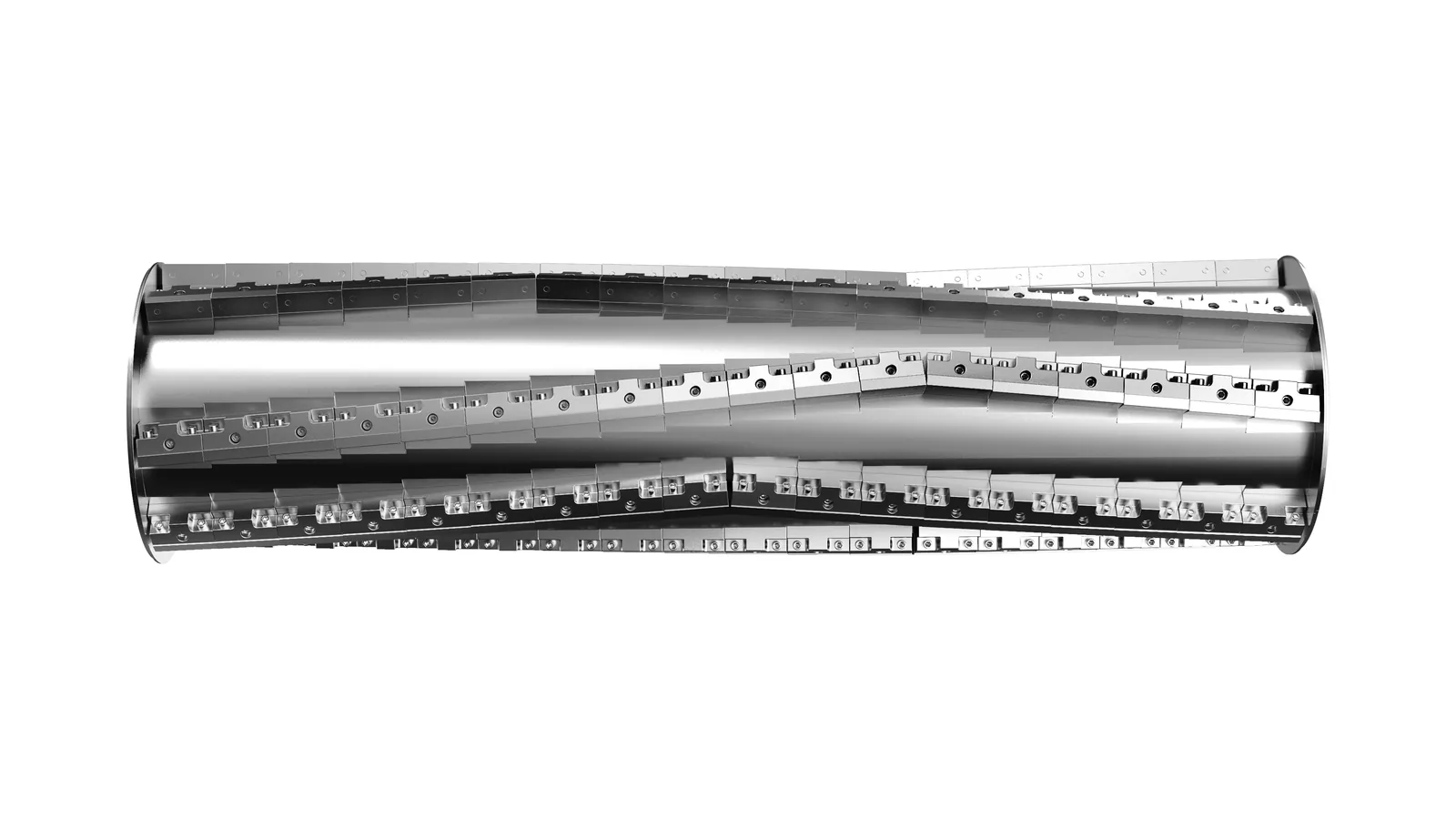
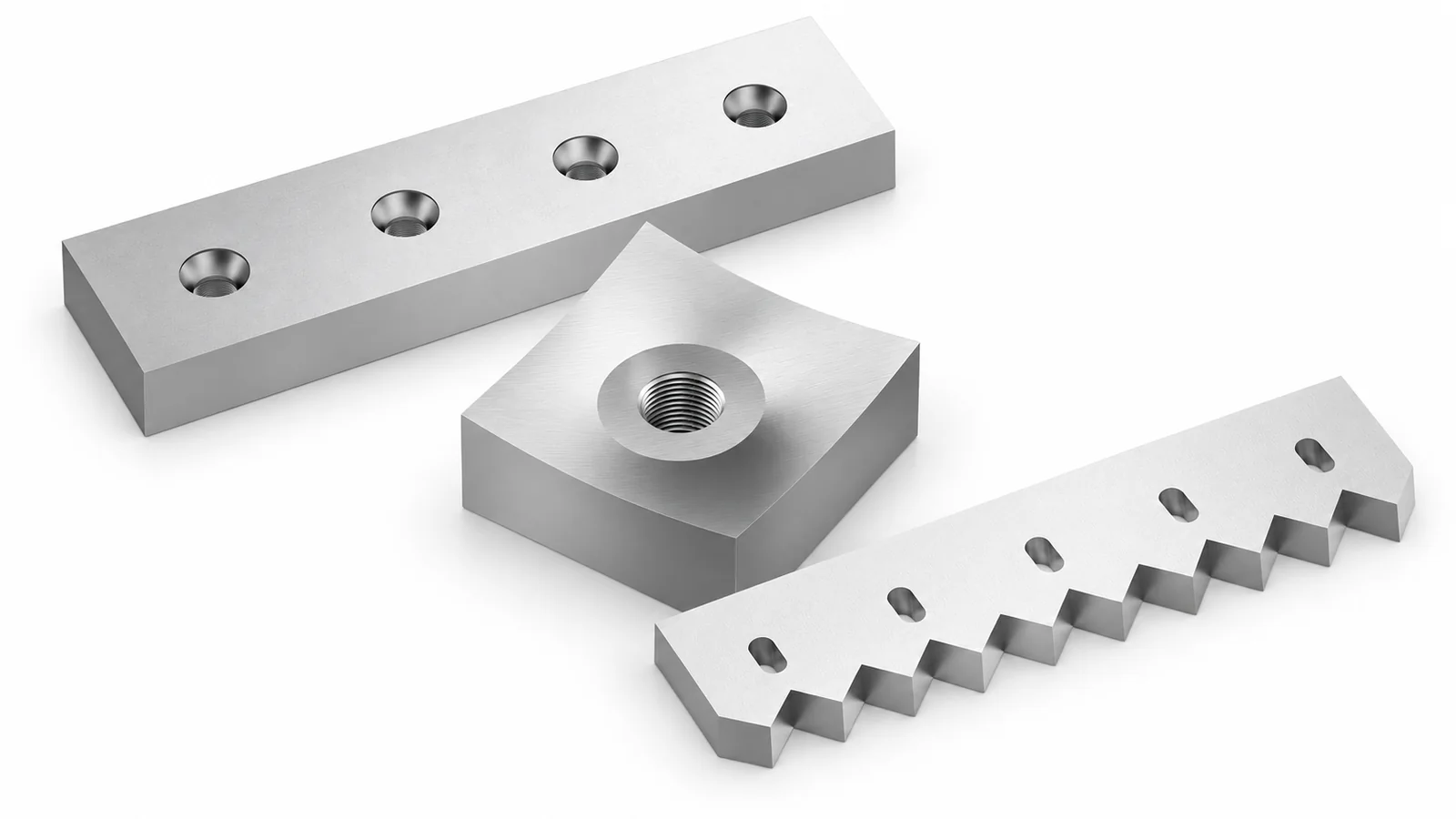
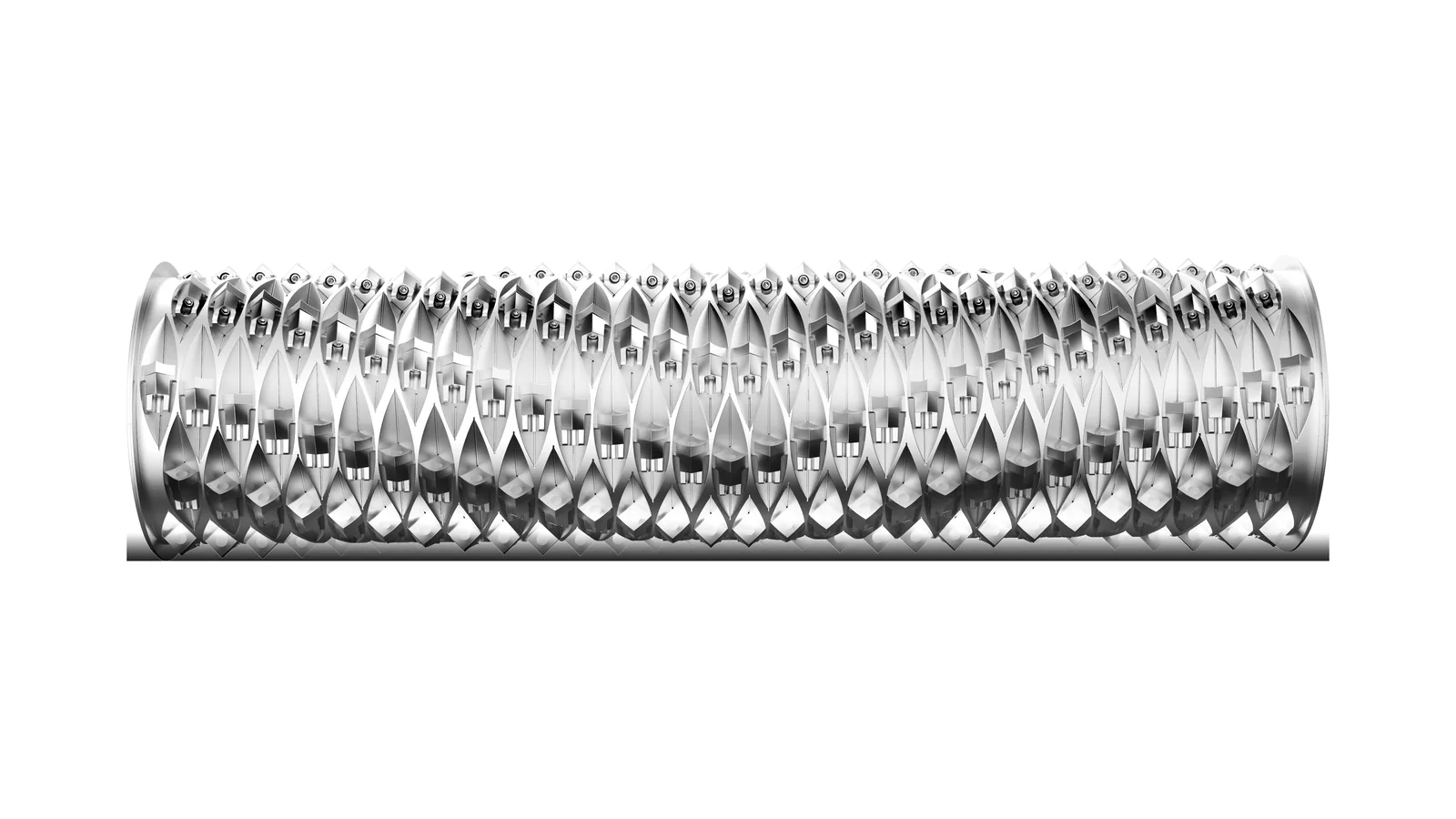
Replaceable square knives are mounted on a V-arranged rotor for robust low-speed primary size reduction and practical individual knife servicing.
A dedicated long-blade rotor operates at higher speed to provide more frequent cutting engagement for applications requiring a finer discharged fraction.
Selection note: Actual discharge size and throughput depend on the material, screen opening, feed consistency, rotor configuration and operating conditions.
02 · Equipment features
Engineering details that affect daily operation.
ENGINEERED FOR RELIABLE OPERATION
V-arrangement rotor knives
The V-arranged rotor and wear-resistant alloy knives reduce feeding resistance and distribute cutting loads for demanding high-volume operation. Each knife can be rotated and reused to extend service life.
The curved inclined pusher applies controlled hydraulic force to bulky material, reducing no-load movement and supporting continuous, efficient feeding.
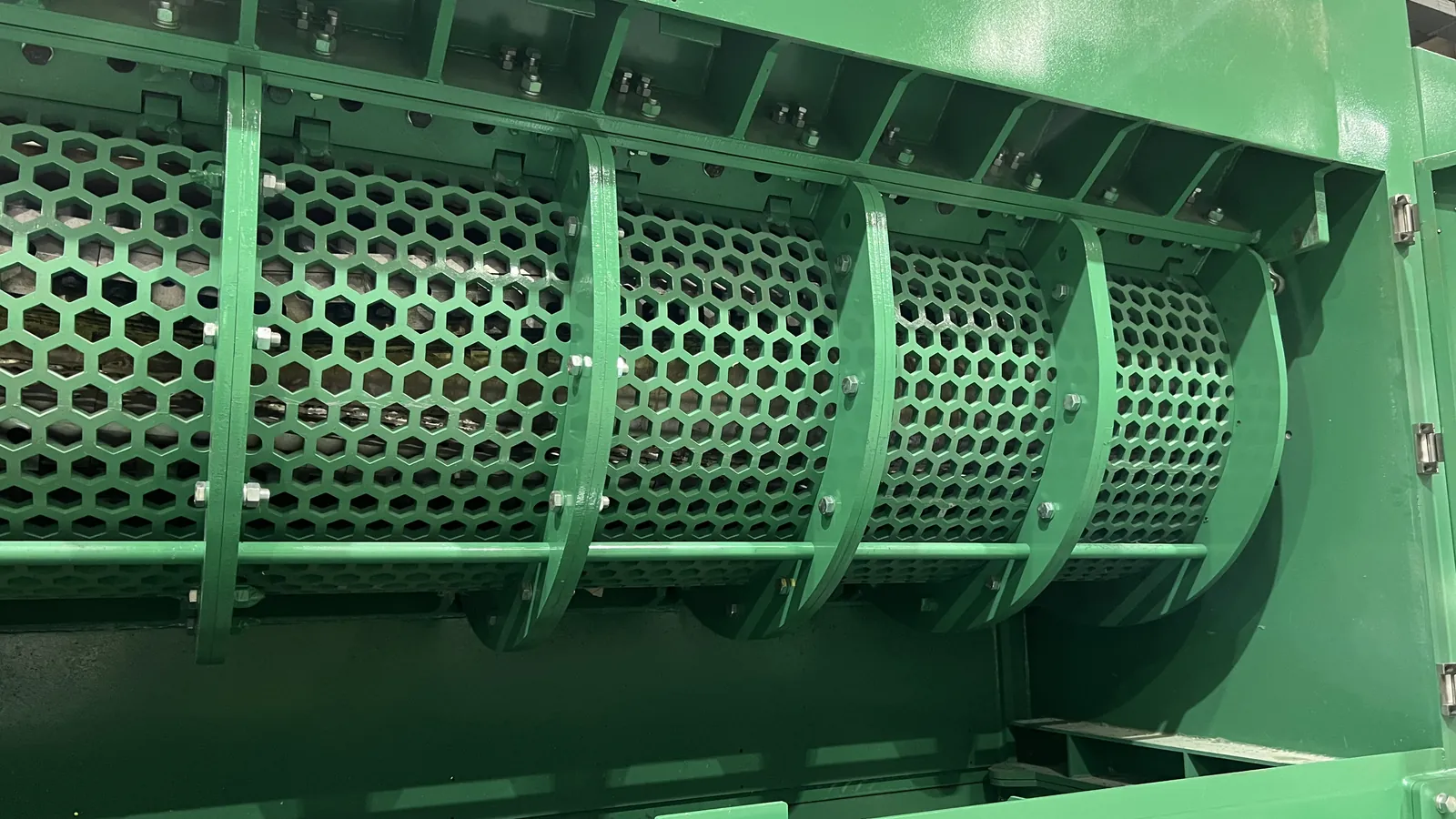
A serviceable cutting chamber, replaceable wear parts and accessible hydraulic components simplify routine work and help control long-term operating cost.
Plastics: moldings, purge lumps, profiles, film and high-volume production scrap.
Wood: pallets, joinery waste, timber offcuts and green waste.
Paper and cardboard: confidential documents, production waste and packaging material.
Cables: household, telecommunications and industrial copper cable.
Aluminium: used beverage cans, swarf and light aluminum cable.
Textiles: carpet rolls, carpet tiles, garments and fabric waste.
Secure destruction: counterfeit products, rejected goods and expired stock.
Foam: upholstery foam and industrial production waste.
Mixed commercial waste: high-volume RDF and SRF preparation.
EXPECTED OUTPUT
The DX-N and DX-F series are intended for high-volume applications where controlled feeding and accessible maintenance are essential. Rotor system, operating speed, screen opening and drive configuration are matched to the material density, required capacity and downstream process.
Direct engineering contact
Need a quotation or configuration advice?
Send your material, hourly capacity and target output. A WALI engineer will help define a practical starting point.
Watch the feeding, stable processing and resulting output under real operating conditions.
04 · Technical specifications
Models & technical specifications
Compare WLDX models by drive power, main shaft diameter and capacity. DX-N and DX-F refer to rotor configurations; confirm the configuration for your selected model Work With WALI.
Clear answers about selection, manufacturing, delivery and support.
What is the difference between the DX-N and DX-F models?
The DX-N uses a V-arranged square-knife rotor operating at 80 r/min and typically produces a 50–100 mm discharge fraction. The DX-F uses a dedicated long-blade rotor operating at 280 r/min for finer size reduction, typically around 20–60 mm. Final performance depends on the material, screen and operating conditions.
Which rotor system should I choose?
Choose according to the feed material, required capacity, downstream process and target output. Send representative material information to WALI and an engineer will recommend the appropriate DX-N or DX-F configuration.
Are you a factory or a trading company?
WALI is an industrial recycling equipment manufacturer with its own production and assembly capabilities.
How do you select the right equipment?
Our engineers review the material, required capacity, target output and complete process before recommending a configuration.
Can this equipment be customized?
Yes. Dimensions, drive, controls and line integration can be configured according to the project.
How long is delivery?
Delivery depends on equipment type, customization and the confirmed production schedule.
What after-sales support is available?
Support can include documentation, remote guidance, parts, training and on-site service where agreed.
Get a preliminary configuration
Is this the right series for your material?
Send your capacity, input photos and target output. We will respond with a recommended starting point.
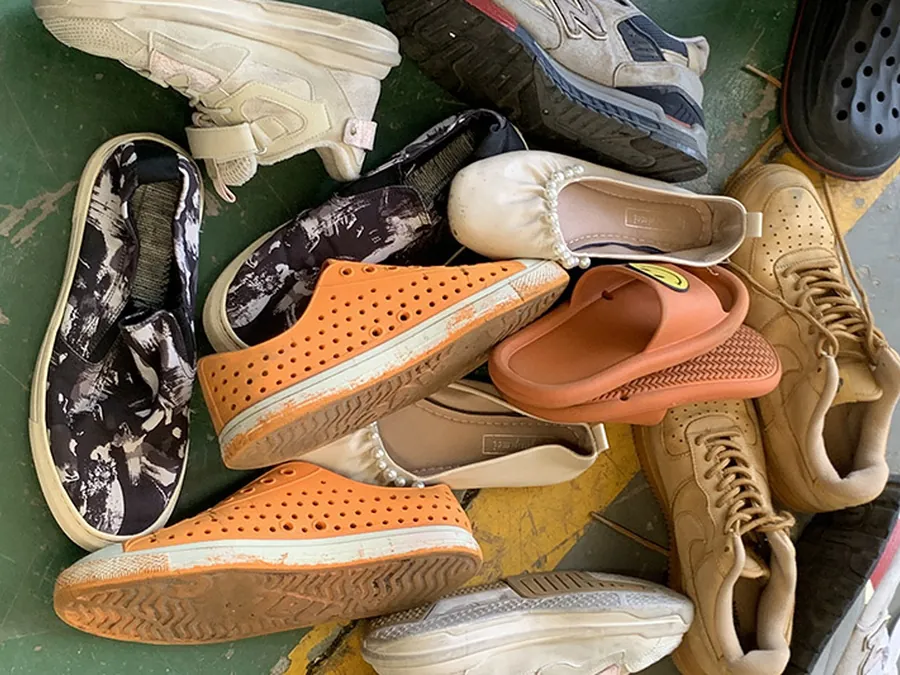
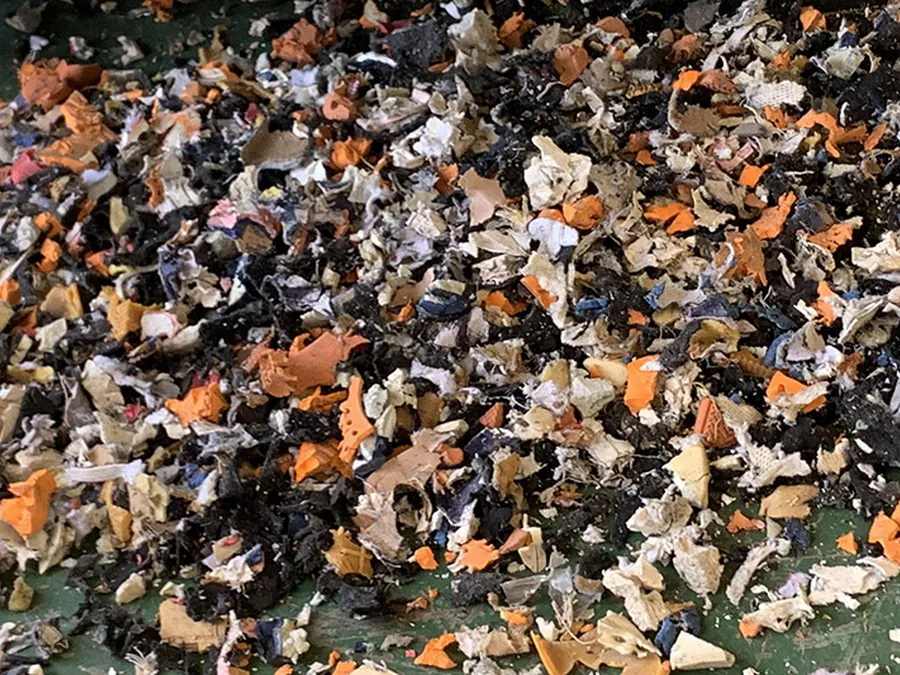
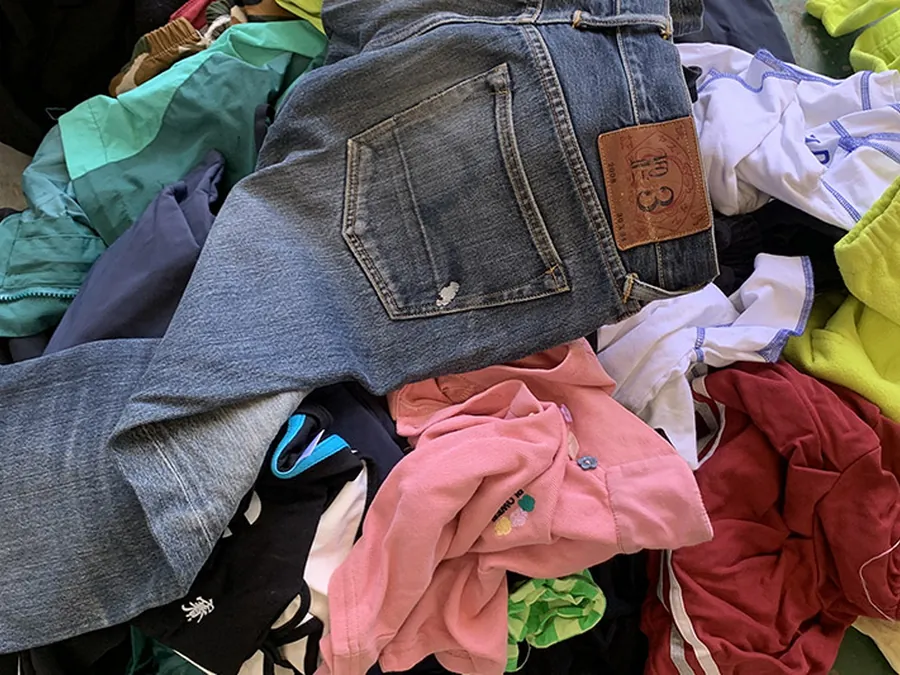
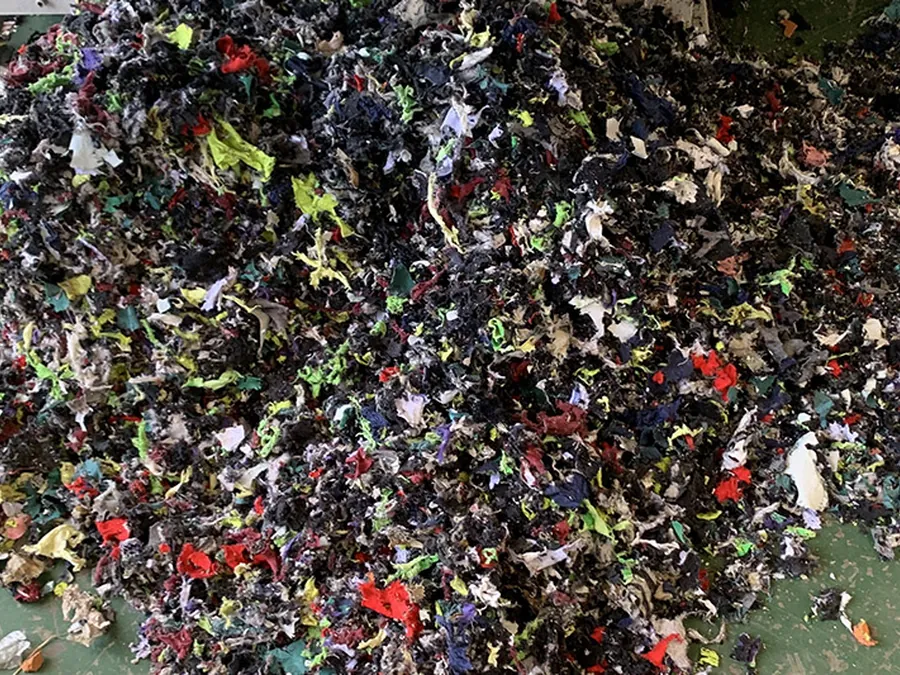
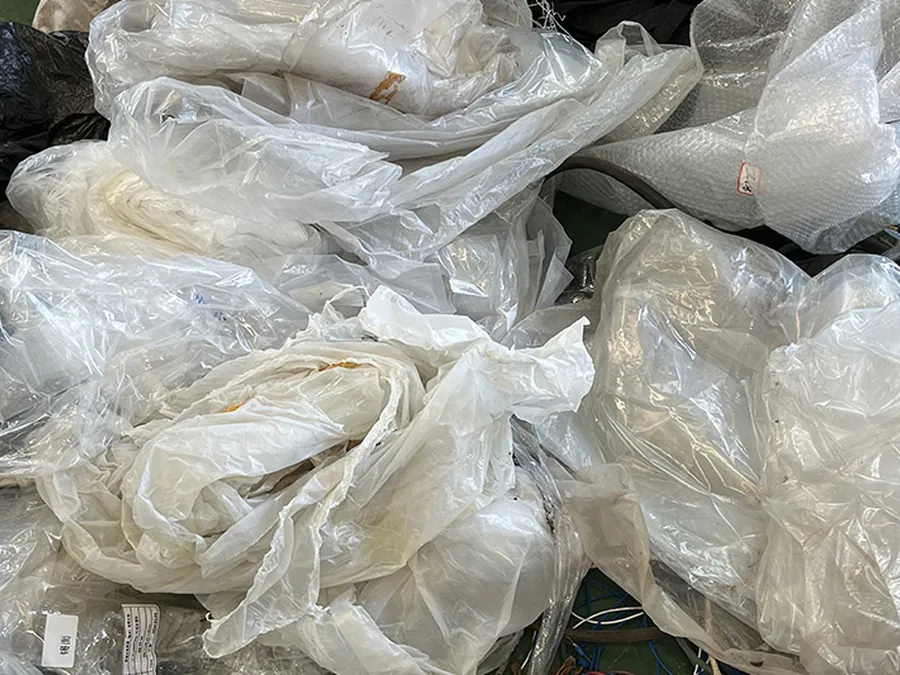
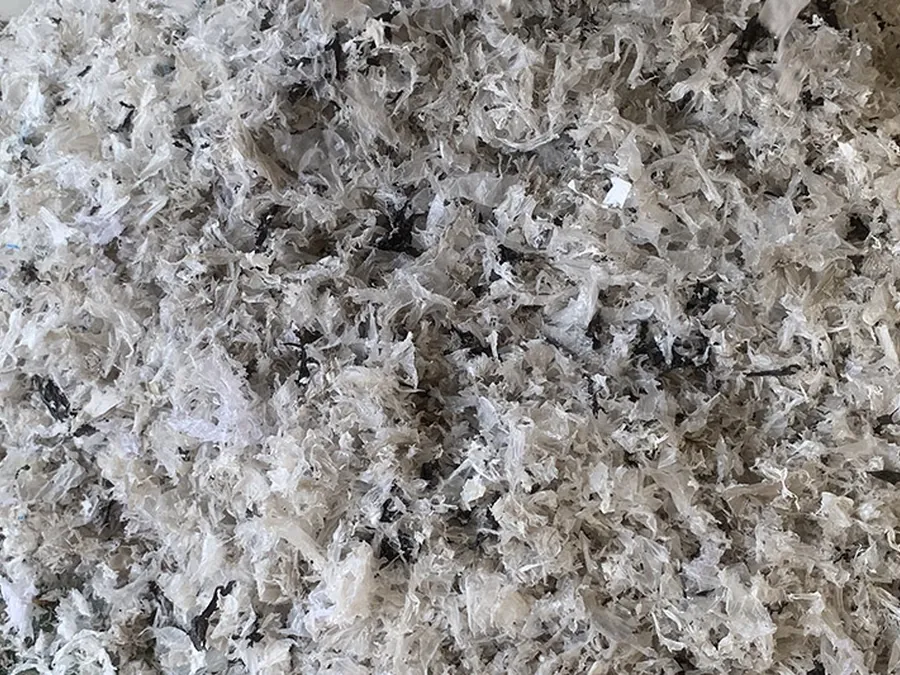
Representative DX-N / DX-F high-volume applications. Final throughput and output size depend on material density, rotor system, screen opening, feed consistency and operating conditions.
Before→After
Footwear
Before→After
Textile waste
Before→After
Plastic film
Support beyond delivery
Documentation, commissioning guidance and long-term parts support.
Our team helps identify wear parts and provides practical technical communication throughout the equipment lifecycle.
We use necessary technologies to operate forms and remember your privacy choice. Optional analytics and marketing technologies are used only if you accept them.
 DX-N